Great Barrier Reef Diving
Great Barrier Reef Diving should be on every diver’s bucket list!
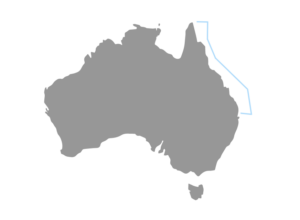
The sheer size of the Reef is often difficult to comprehend, stretching some 2,600km along the coast of Queensland, the Great Barrier Reef makes up about 10 percent of the world’s coral reef ecosystems. It extends over 14 degrees of latitude, comprising of shallow estuarine areas to deep oceanic waters many kilometres out to sea.
Roughly the size of Italy, the Great Barrier Reef is one of the best known and most complex natural systems on Earth and heaven for scuba divers to explore. Compare diving liveaboard trips from Cairns.
So what are you waiting for? Let’s start Diving the Great Barrier Reef.
Australia has some of the best and most diverse dive sites anywhere in the world. The warm, clear waters of Far North Queensland, teeming with marine life and the world’s largest coral reef, make it an undisputed scuba divers’ paradise.
The Great Barrier Reef stretches through Queensland’s waters for more than 2,500 kilometres, covering around 345,000 square kilometres. The world’s largest World Heritage site is made up of more than 2,900 individual reefs, and 70 coral cays scattered along the edge of the continental shelf.
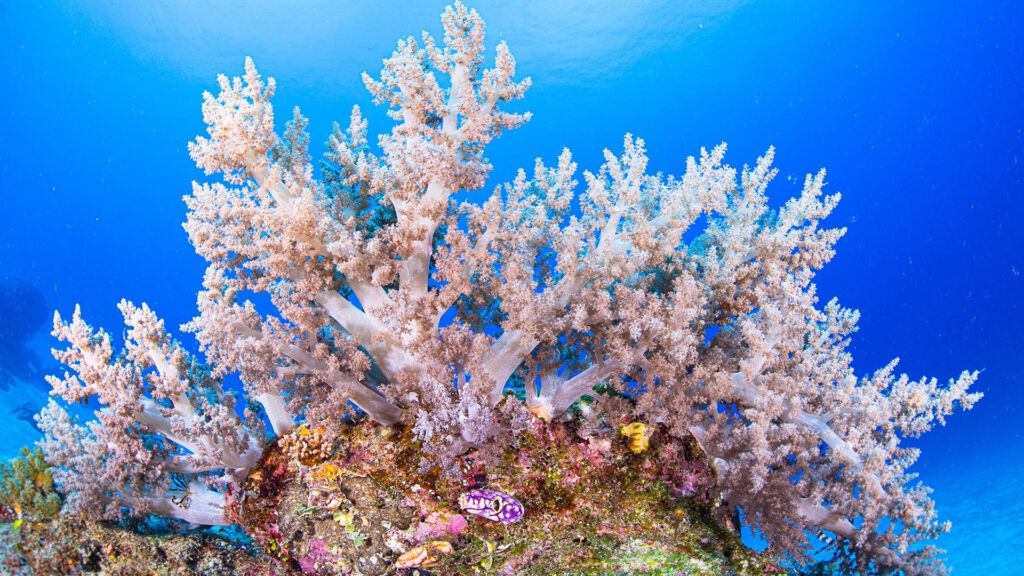
Queensland’s Great Barrier Reef is the world’s most extensive coral reef system, and home to an underwater world filled with thousands of brightly coloured species of marine life. Some 1,500 types of fish, 4,000 types of molluscs, 350 types of echinoderms, and over 600 types of coral, attract divers from around the world each year.
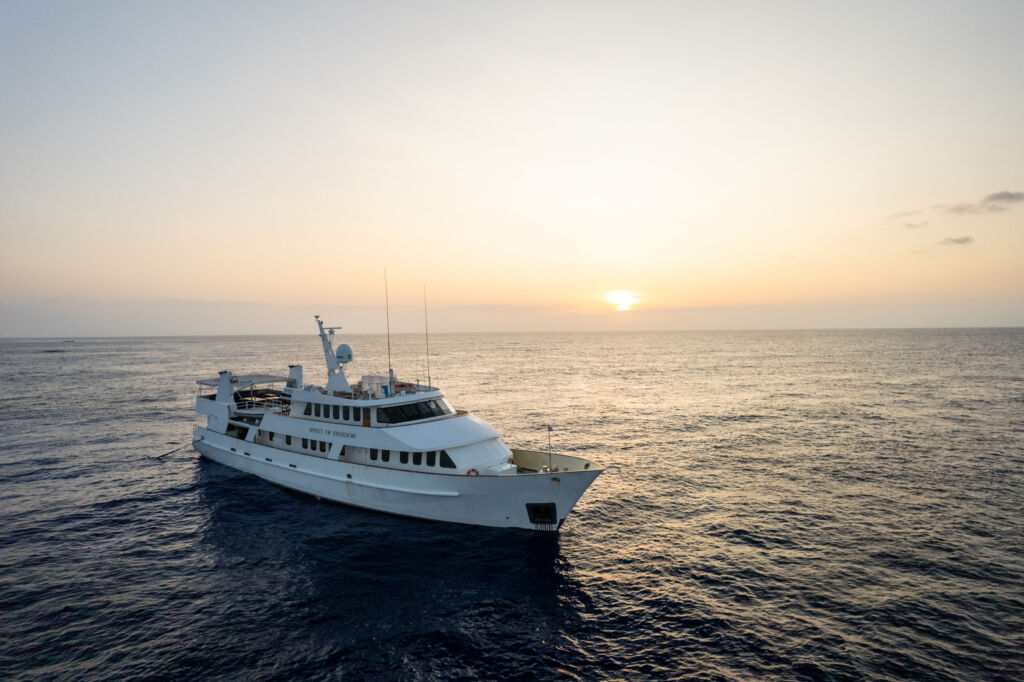
On a Spirit of Freedom liveaboard dive trip, you will have the opportunity to explore over 20 different Australian dive sites within the Ribbon Reefs on the Great Barrier and the Coral Sea. Explore them for yourself.
Best Time to Dive on the Great Barrier Reef
- May to Oct: The dry season runs from May to October, offering clear, sunny weather, excellent visibility, and cooler water ideal for diving.
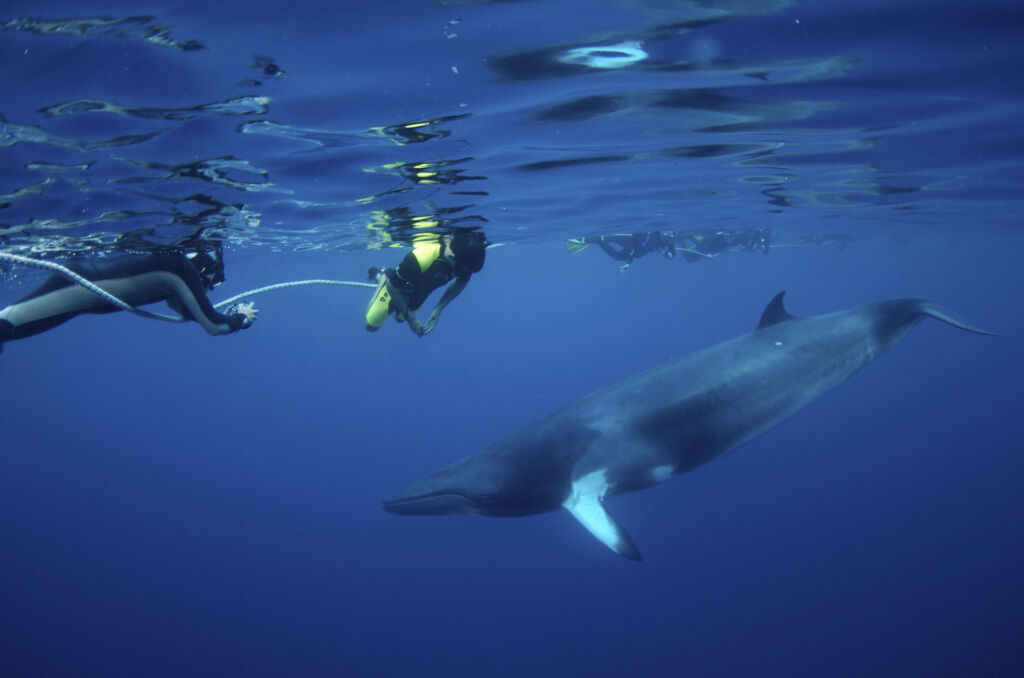
- Jun to Jul: These months are specially popular, with possible sightings and interactions with dwarf minke whales around the Ribbon Reefs.
- Year-round: Diving is great year-round, but the drier months bring the best visibility and most comfortable conditions for most divers.
What can you see when you Scuba Dive at Great Barrier Reef
Corals
The Great Barrier Reef is sea country home for the first Australians. It is the ancestral homeland for more than 70 Traditional Owner groups, whose connections to these waters and surrounding areas date back more than 60,000 years.
Today the Great Barrier Reef is a Marine Park and World Heritage Area, it attracts millions of visitors each year who come to enjoy its beauty above and below the water. Explore some of the best diving locations along with Ribbon Reefs.
For many, diving the Great Barrier Reef can be a life-changing experience. The diversity of marine life, warm tropical waters, incredible visibility, and variety of dive sites make it hard to beat and the ultimate scuba diving destination, and even better on a liveaboard diving trip.
Fish
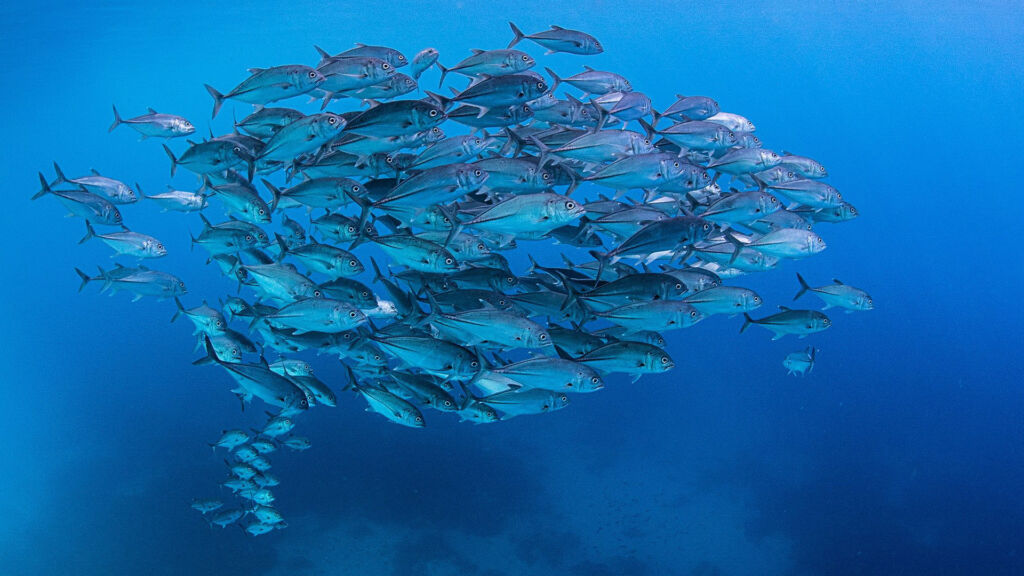
Home to over 1600 incredible different species of fish, the Great Barrier Reef is is teeming with life.
From tiny baitfish through to the largest varieties of sharks, the Great Barrier Reef is a diver’s dream destination. Within a small area diving the Great Barrier reef you can encounter hundreds of different species of fish in great numbers.
The tropical waters of the Ribbon Reefs and the Coral Sea provide a home for fish of all different sizes, colours, shapes, and behaviours.
Rays & Sharks
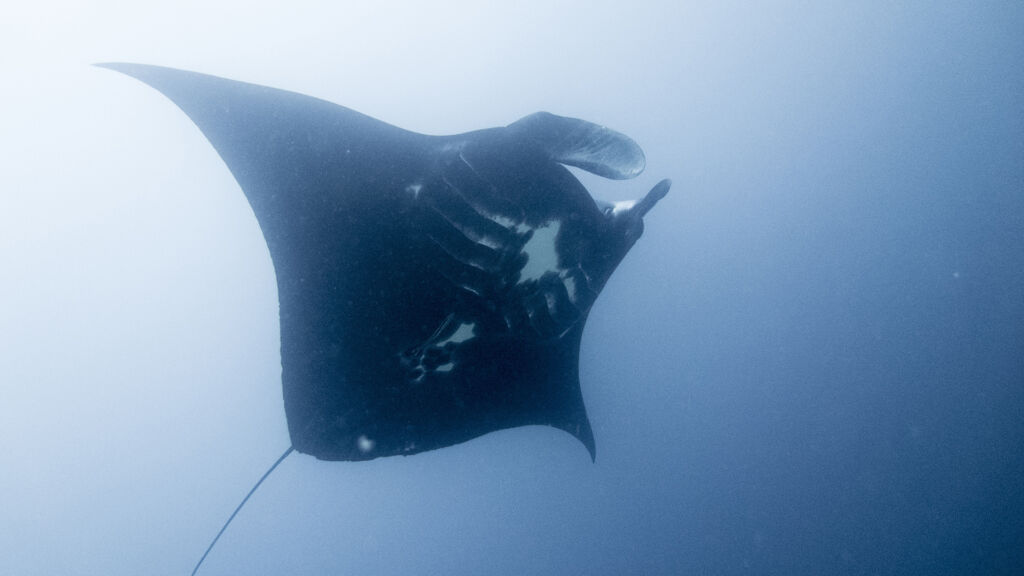
There are over 35 species of marine rays found on the Great Barrier Reef. Like sharks, Rays have open gill slits, spiracles (holes for inhaling water), and all exhibit internal fertilization. Many species (but not all) have a dangerous and poisonous barb, which is only used in self-defense. The barbs have been used by aborigines as the tips for spears for thousands of years.
In total, 133 species of Sharks and Rays are found along the Great Barrier Reef and range from small, cryptic species such as the epaulette shark to large, migratory species such as the whale shark. Nothing beats the thrill of shark diving in Australia, and the Coral Sea offers some of the best locations to get up and personal with these amazing creatures.
The chances of a nasty encounter are very rare but like all creatures on the reef; observe with respect and enjoy!
Dolphins & Whales
Some 30 different species of whale and dolphin can be found in the Great Barrier Reef World Heritage Area. Dwarf minke whales, humpback whales, and bottlenose dolphins are among the most commonly sighted and reported species.
Other whale and dolphin species sighted include spinner dolphins, Indo-Pacific humpback dolphins, orca (Killer Whales), Australian snubfin dolphins, pan-tropical spotted dolphins, false killer whales, short-finned pilot whales, sperm whales, and various beaked whales.
Whales and dolphins hold a special significance for some Aboriginal and Torres Strait Islander groups, such as the Woppaburra people of the Keppel Islands, the whale (Mugga Mugga) is the clan totem that connects them to their ancestral land and sea country as well as to their ancestors.
During June/July Minke Whales gather on the Ribbon Reefs in great numbers and you can even swim with Minke Whales during this time.
Great Barrier Reef Diving FAQs
The Great Barrier Reef runs along the northeast coast of Queensland, Australia. It starts near Bundaberg and stretches all the way up past Cape York Peninsula. Most divers access it from towns like Cairns, Port Douglas, Townsville or Airlie Beach.
It’s the world’s largest coral reef system, packed with marine life, vibrant coral gardens, clear warm water and excellent visibility. You can see turtles, reef sharks, giant clams, potato cod, and in winter, even whales.
You’ll find colourful coral walls, sea turtles, reef sharks, nudibranchs, clownfish, rays, and sometimes big pelagics like barracuda or trevally. In the north, expect more pristine coral and fewer crowds.
Most dive sites are between 5 and 30 metres. Inner reefs are shallower and good for beginners, while outer and Coral Sea sites can be deeper and better suited to experienced divers.
Day trips are handy for quick dives from Cairns or Port Douglas, but they’re limited to sites closer to shore. To reach the most impressive spots like the Ribbon Reefs or Coral Sea, a liveaboard trip is the way to go.
Full Great Barrier Reef Diving Experience via Liveaboard.
Skip the day trips and enjoy the best experience on a liveaboard cruise like Spirit of Freedom that you’ll dive some of the best sites and log some of the most memorable dives of your life. The far northern GBR rewards the divers who venture there with unparalleled underwater beauty and adventure. Dive in and experience the difference!
Book your liveaboard experience via Spirit of Freedom