
SS Yongala Wreck Diving
Explore the Australian Titanic
The SS Yongala wreck is one of Australia’s most famous dive sites, located off the coast of Queensland, near the town of Ayr. The wreck, which sank in 1911 during a cyclone, rests in about 30 metres of water and is regarded as one of the best wreck dives in the world.
History of the SS Yongala
The SS Yongala was a passenger and cargo ship that operated between Brisbane and Cairns. On March 23, 1911, the ship was caught in a violent cyclone and sank, with all 122 passengers and crew members tragically losing their lives. For many years, the wreck remained lost until it was rediscovered in the 1950s.
Today, it serves as a historical site and a popular destination for divers.
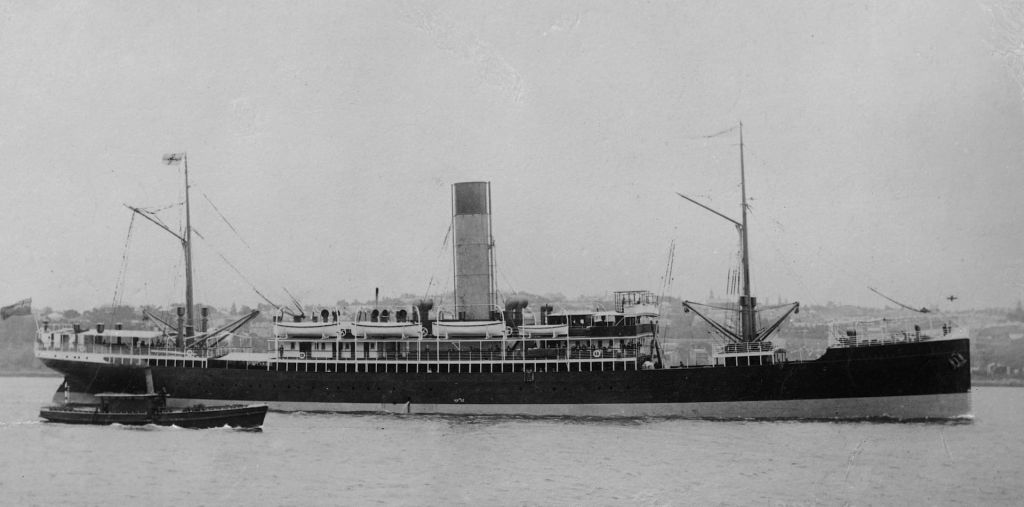
1903 | Vessel ConstructionBuilt in Newcastle upon Tyne, England for the Adelaide Steamship Company. SS Yongala was a 109 metre passenger and cargo steamer designed for coastal routes around Australia. |
1911 | Final VoyageIn March 1911 the ship sailed north from Melbourne, reaching Brisbane and then Mackay. After departing Mackay on 23 March, SS Yongala unknowingly headed into a developing cyclone off Cape Bowling Green. |
1911 | The SinkingDuring the night of 23–24 March the vessel was overtaken by the cyclone. SS Yongala disappeared with all 122 people on board, making it one of Australia’s worst maritime tragedies. |
1958 | DiscoveryThe wreck was located nearly 50 years later by divers off Cape Bowling Green. It was positively identified by the recovery of the ship’s safe. |
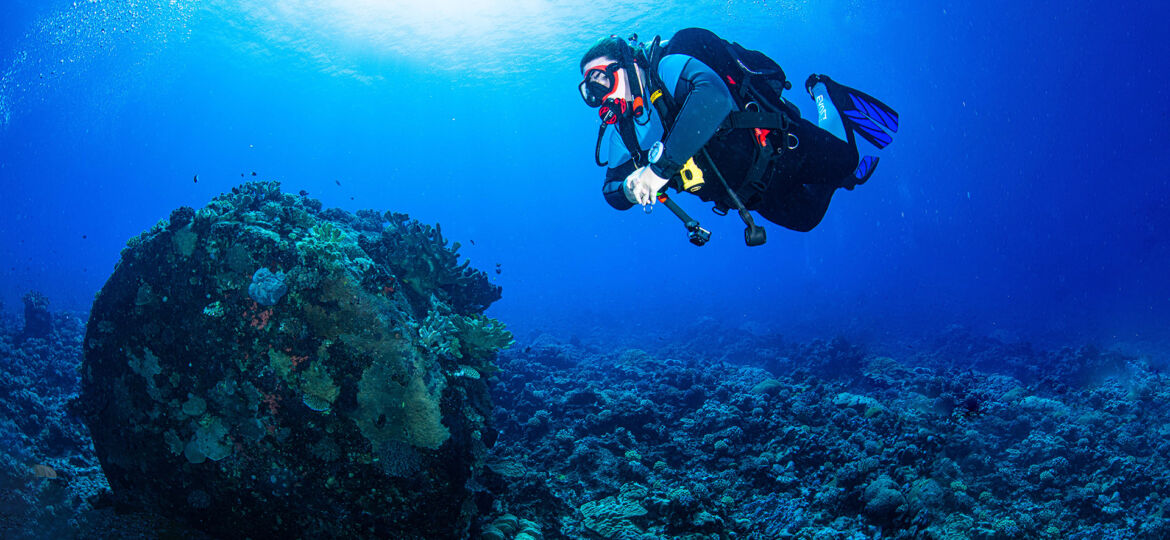
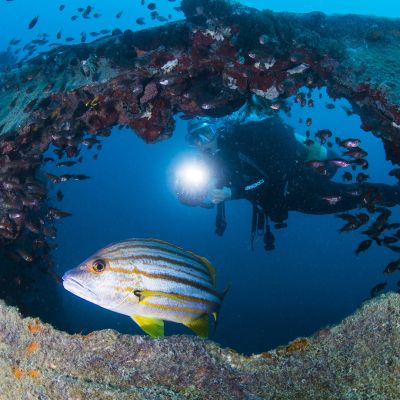
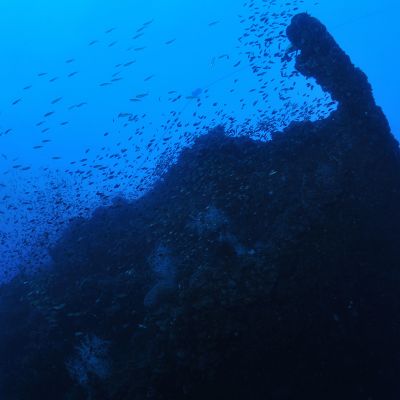
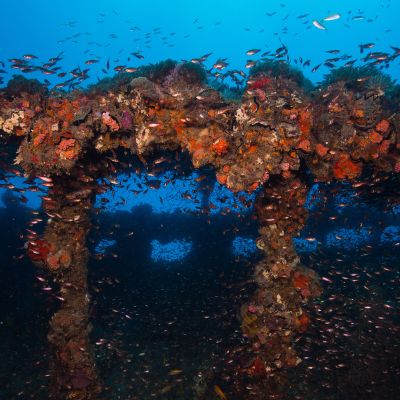
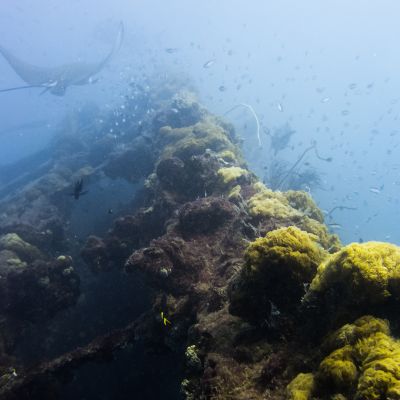
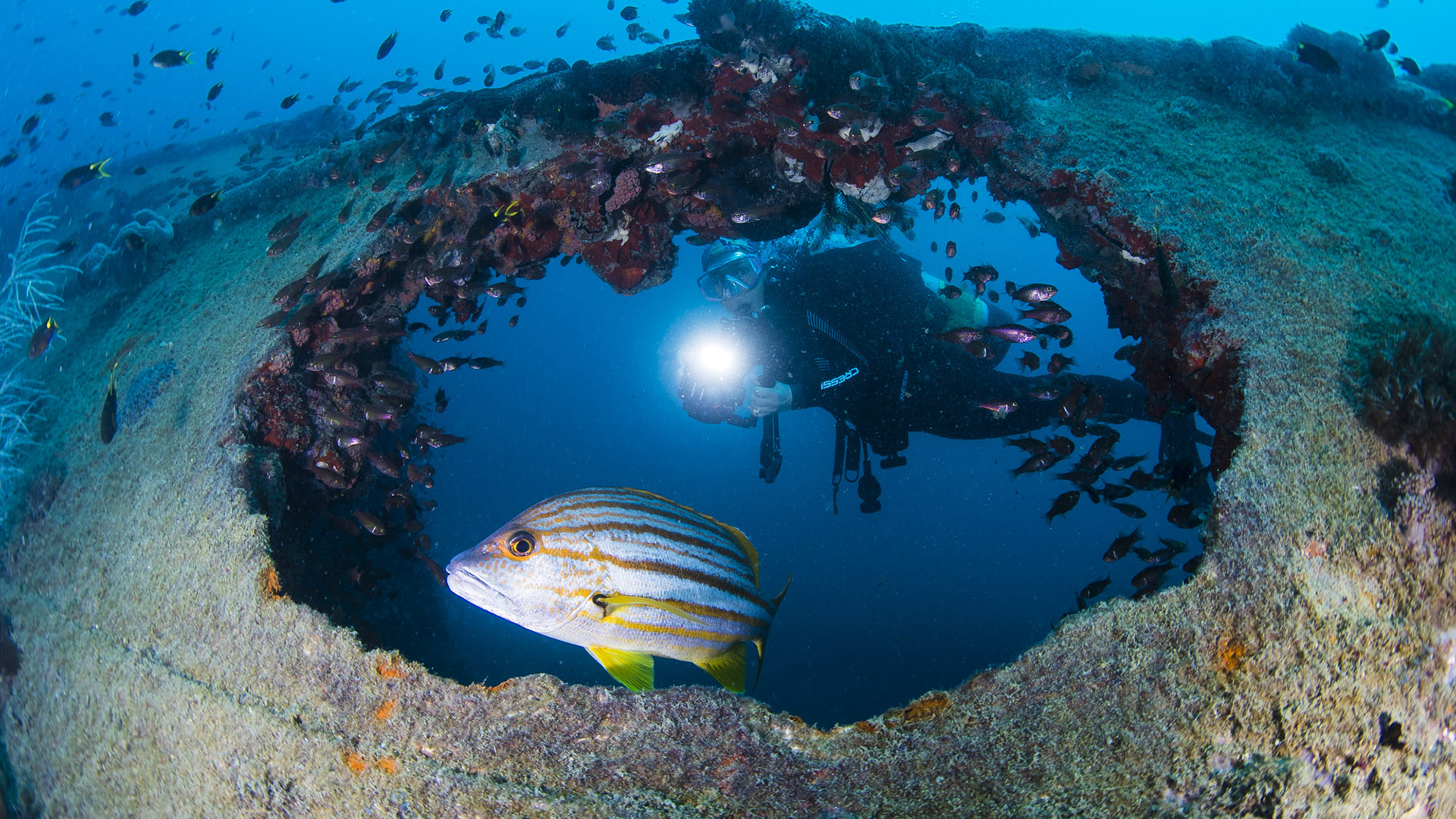
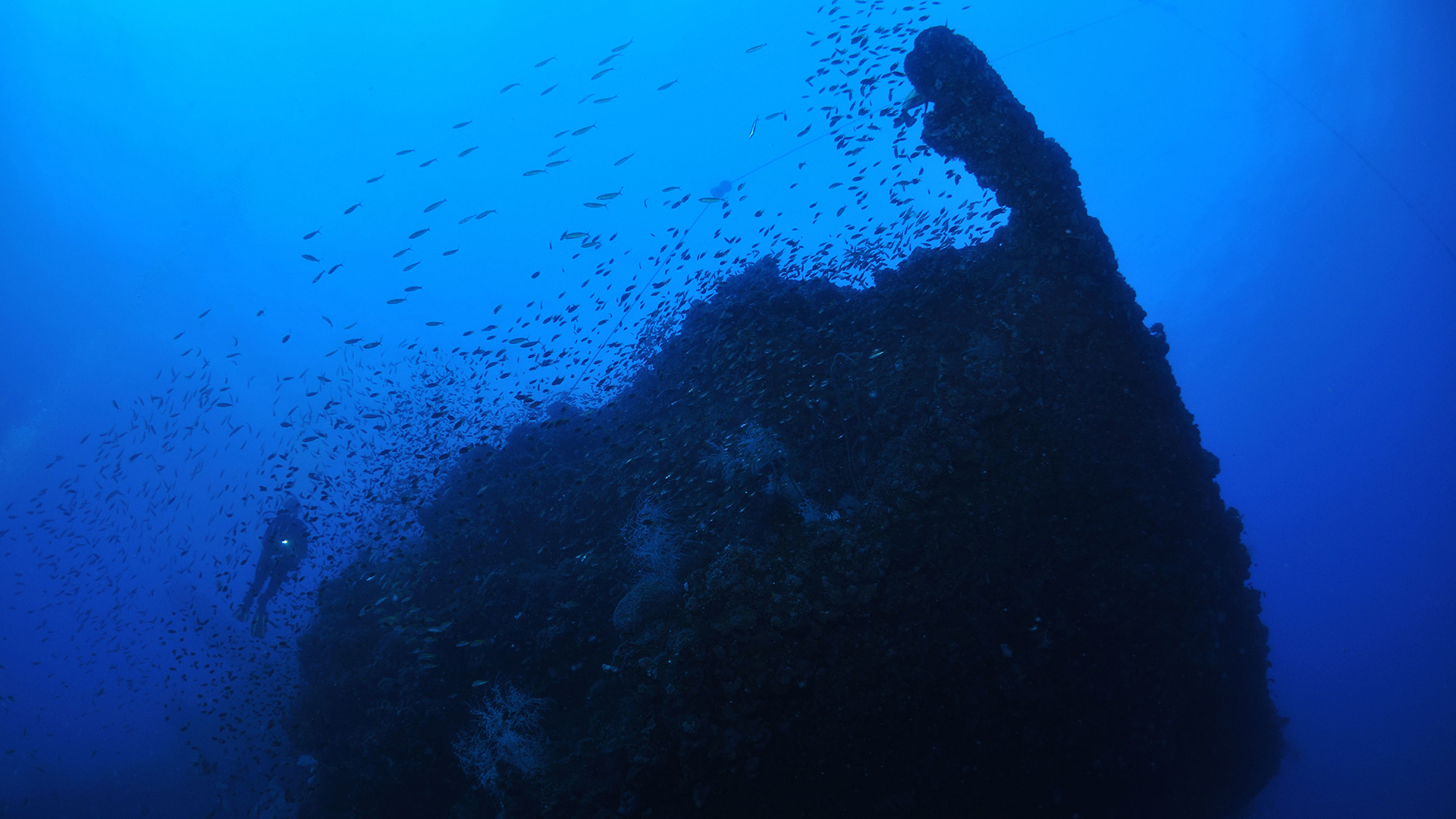
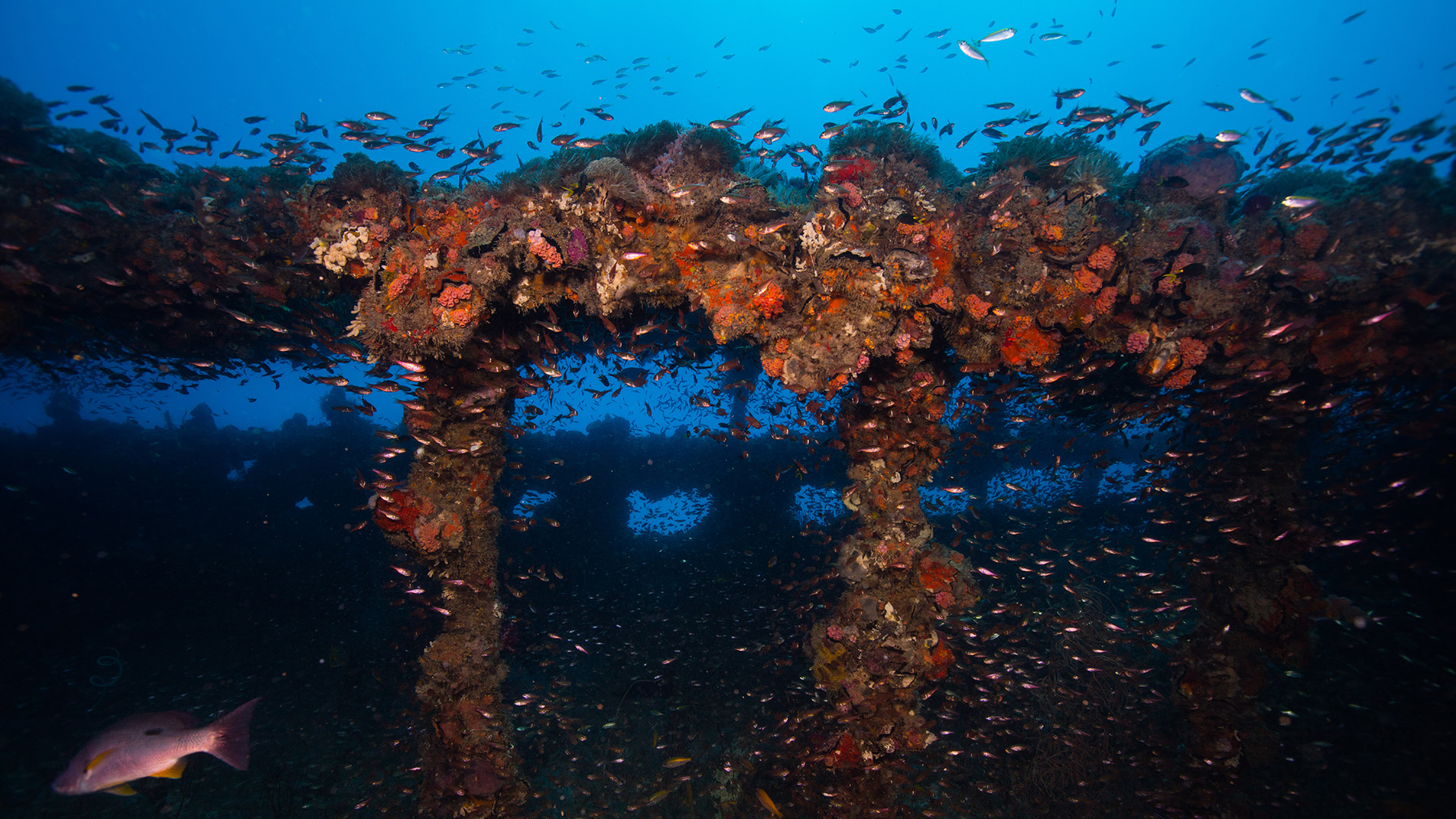
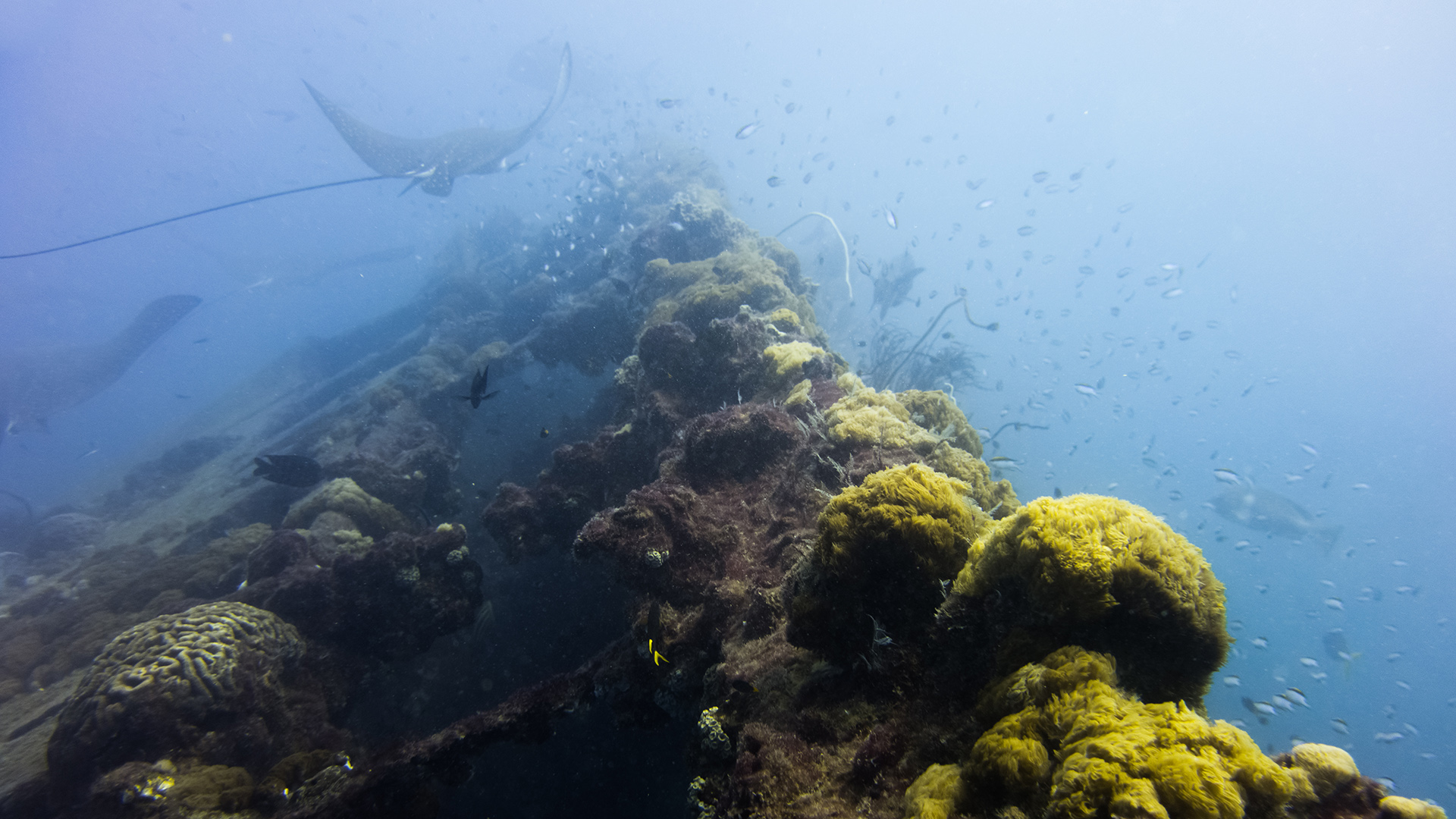
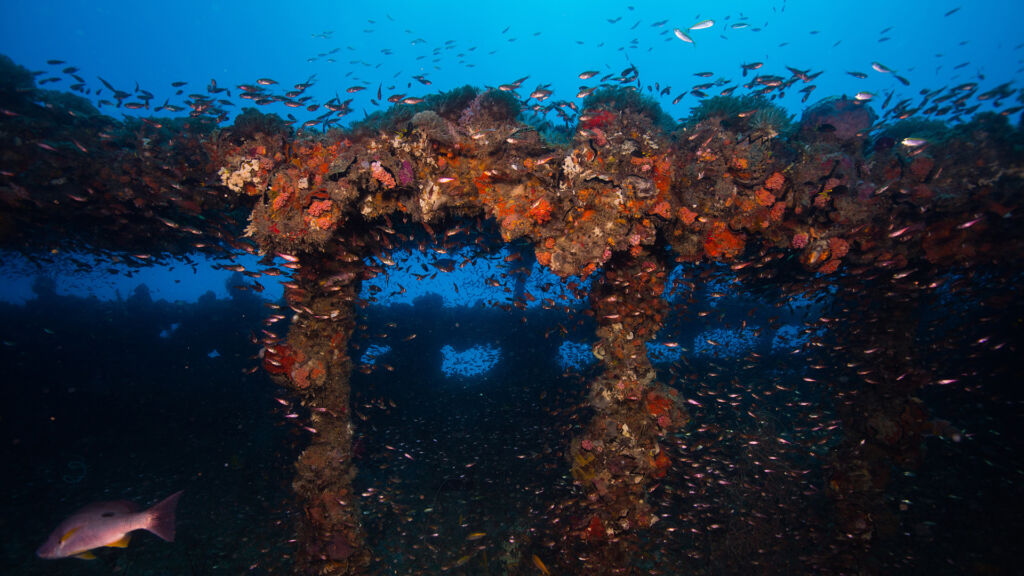
Today | A World Class Wreck DiveThe wreck now lies largely intact on its starboard side and is protected as a historic site. Dense coral growth and abundant marine life make SS Yongala one of the most celebrated warm water wreck dives in the world. |
Diving the SS Yongala
The SS Yongala was a passenger and cargo ship that operated between Brisbane and Cairns. On March 23, 1911, the ship was caught in a violent cyclone and sank, with all 122 passengers and crew members tragically losing their lives. For many years, the wreck remained lost until it was rediscovered in the 1950s.
Today, it serves as a historical site and a popular destination for divers.
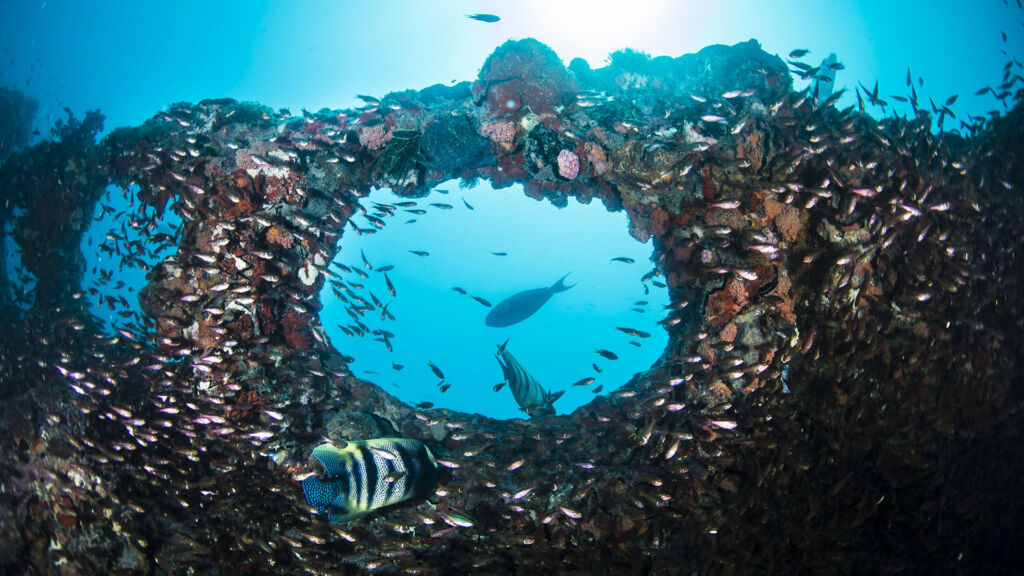
Marine Life Around the Wreck
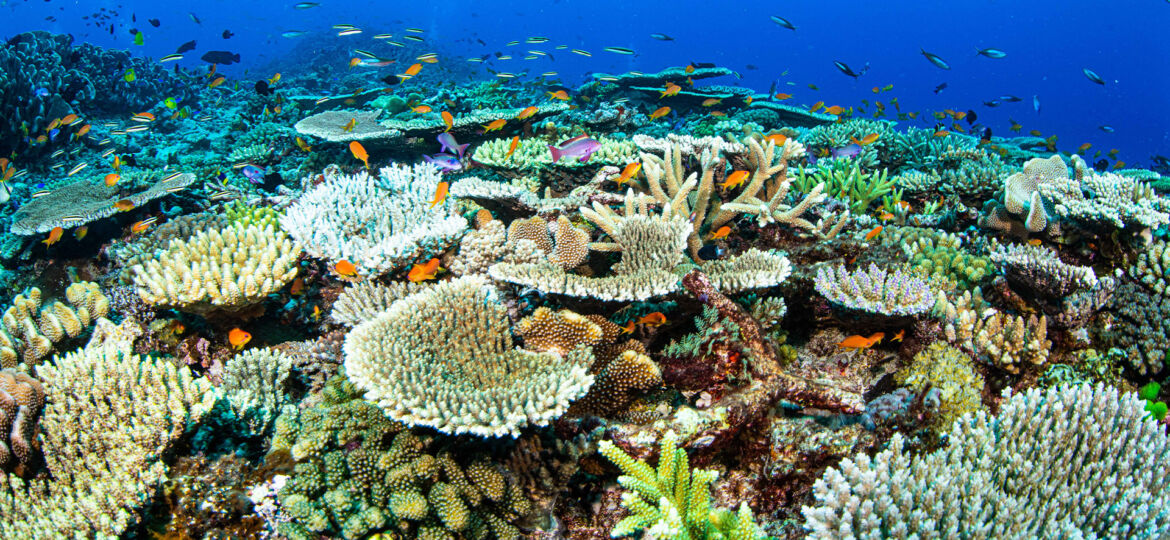
The SS Yongala wreck is home to a wide range of marine life.
You can encounter:
- Giant marble rays – These large rays are often seen swimming around the wreck, their distinctive markings making them easy to spot.
- Sea snakes – These reptiles are commonly found in the area, moving along the wreck or the surrounding reef.
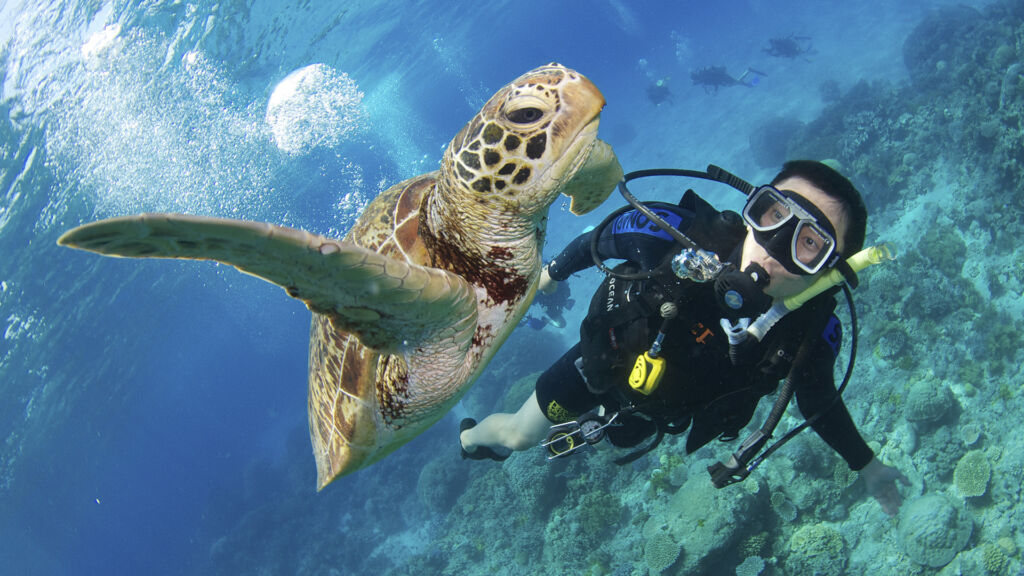
- Turtles – Various species of turtles can be spotted around the wreck, often resting or swimming past divers.
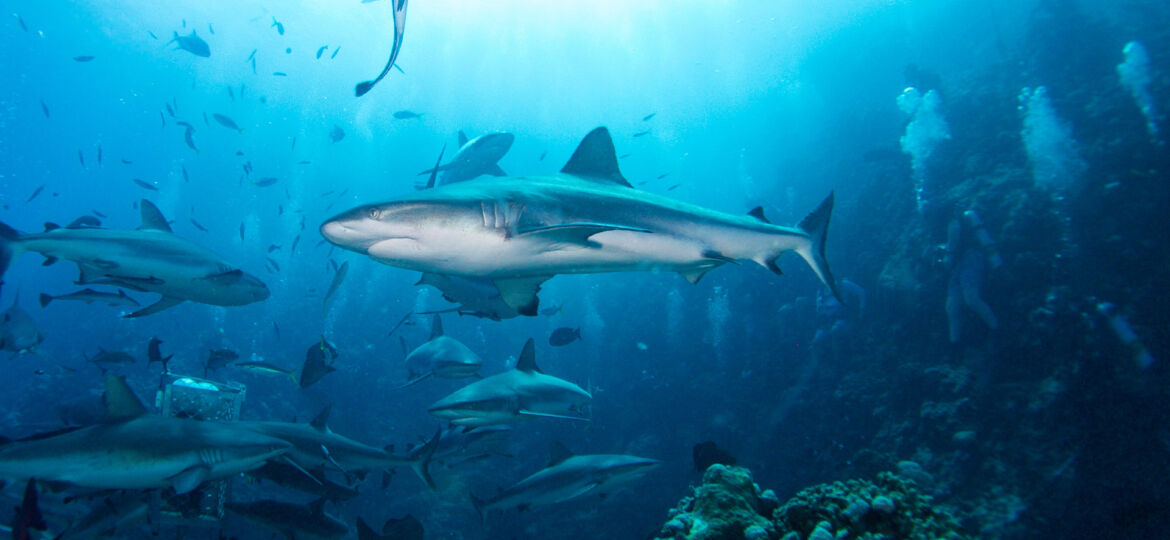
- Sharks – Reef sharks, and occasionally larger species, can be seen near the wreck.
- Barracuda – Large schools of barracuda frequently move around the wreck, adding to the dramatic underwater landscape.
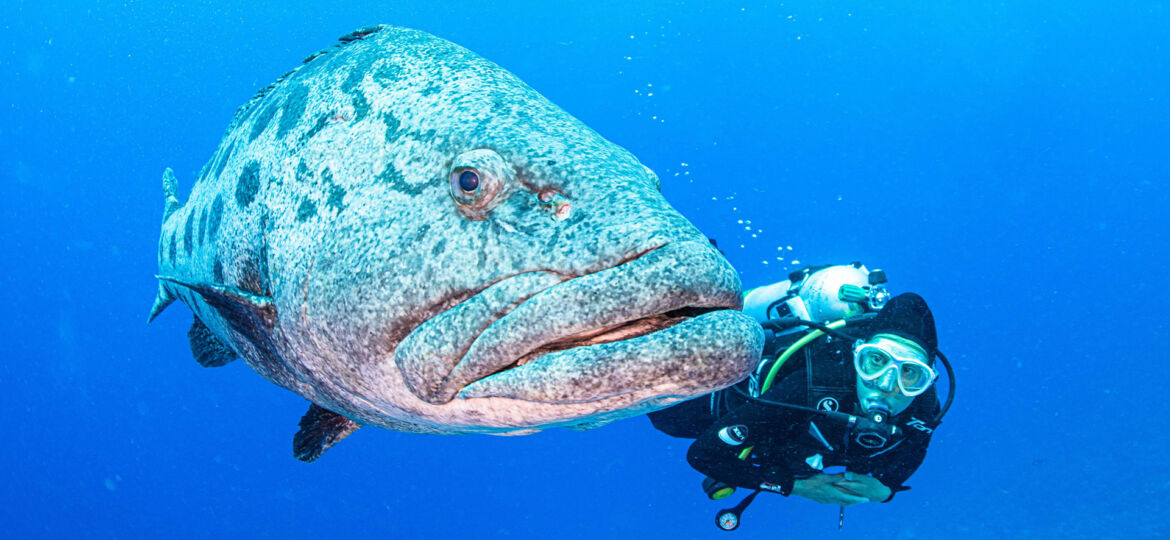
- Fish – There are large numbers of fish species, including trevally and giant groupers, adding to the diversity of the marine life.
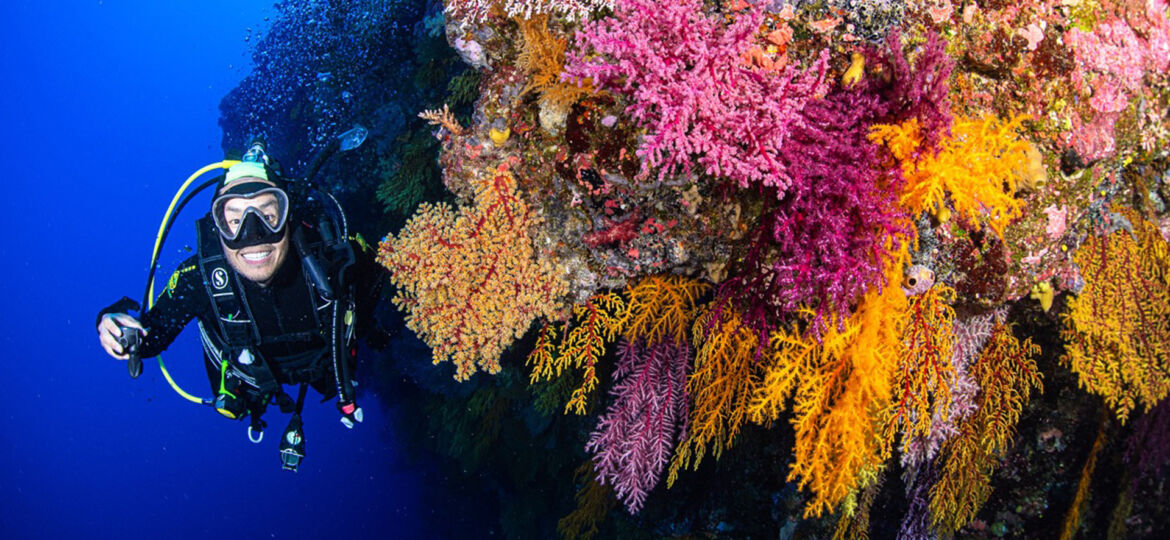
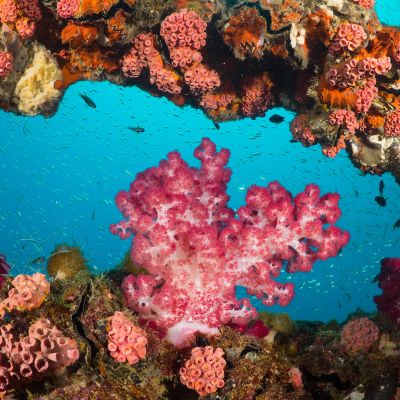
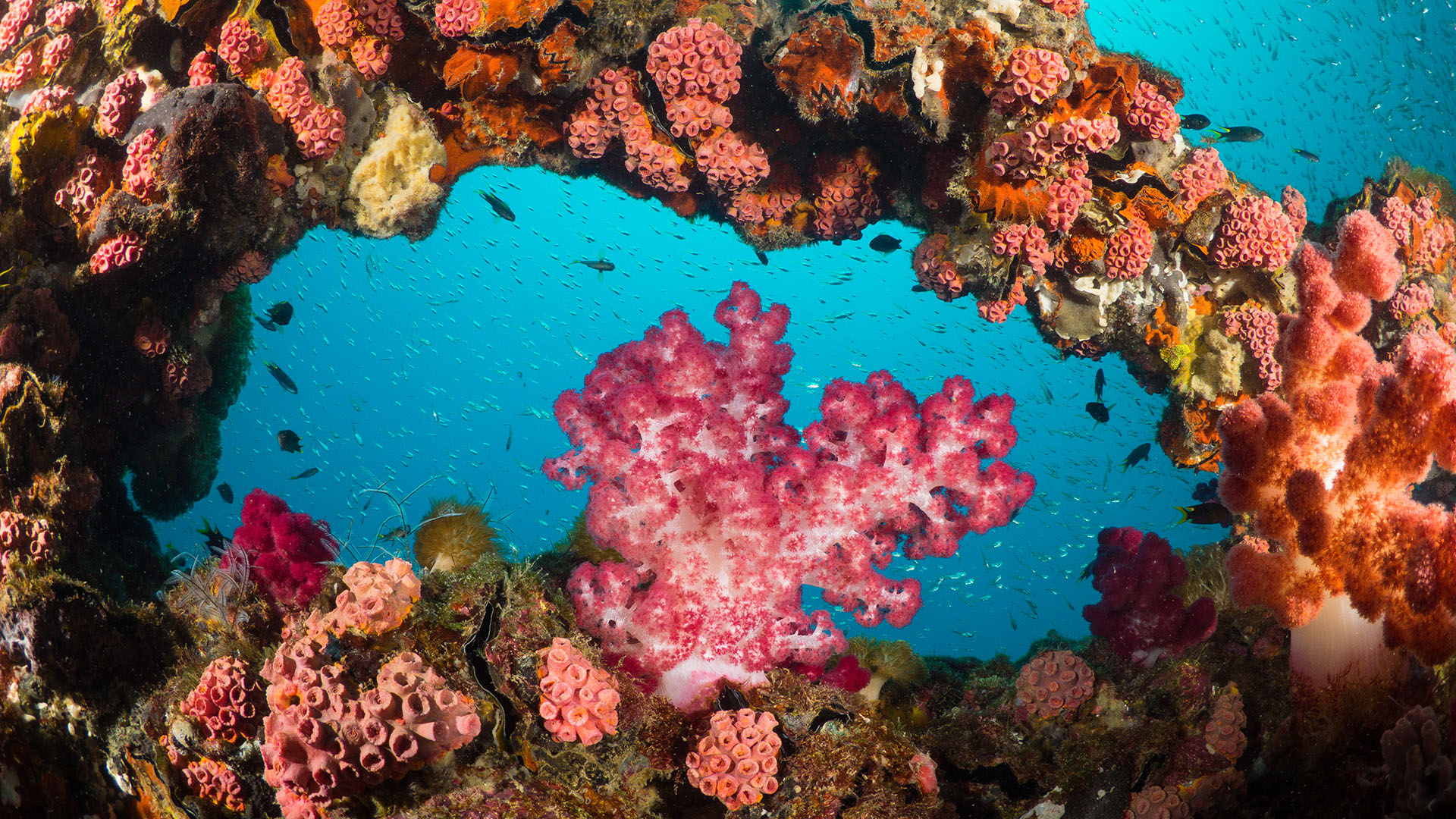
- Corals – The wreck has become home to both hard and soft corals, which have flourished over the years.
The SS Yongala is not only a dive site with a rich historical background but also an important marine habitat. Its unique position as a man-made reef provides an excellent opportunity for divers to see a variety of marine life in one location. It is consistently ranked among the best wreck dives in the world due to its history, marine biodiversity, and dive conditions.
Dive Conditions and Experience Level
- Depth: The wreck rests at approximately 28 to 30 meters, with the top of the structure around 14 to 16 meters.
- Visibility: Typically ranges from 10 to 25 meters, with occasional exceptional clarity.
- Currents: Currents are common and can be strong, adding to the challenge and excitement of the dive.
- Certification: Advanced Open Water or Deep Diver certification is strongly recommended due to depth and conditions.
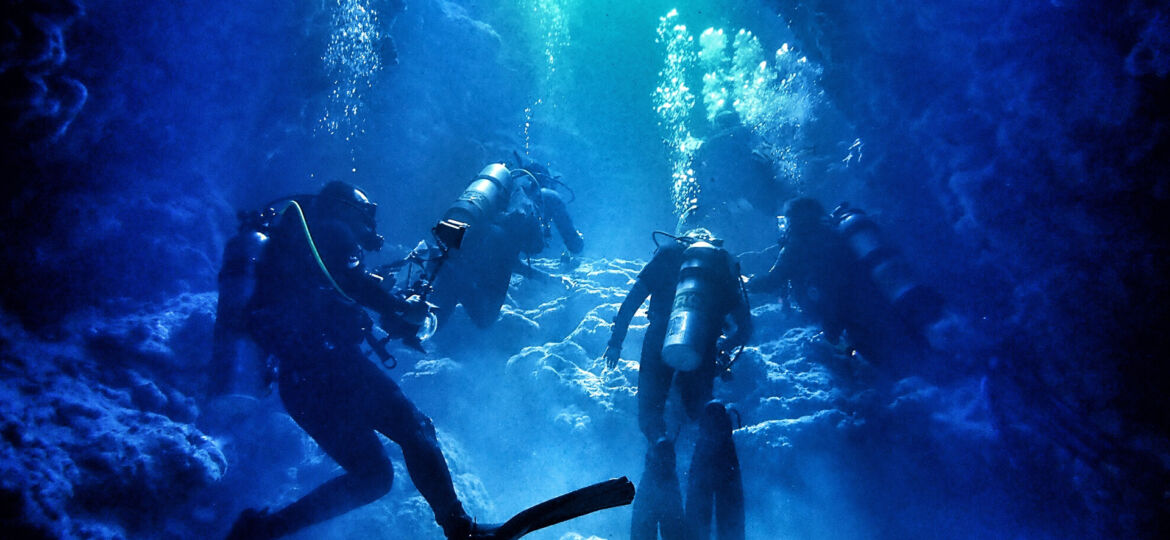
- Penetration: Not allowed, as the SS Yongala is a protected historic site and grave site.
The wreck sits in open water with no shelter. Conditions can shift quickly and make this a dive suited to confident, experienced divers.
Best time to Dive the Yongala wreck
The Yongala Adventure Exploration is suitable for experienced divers only. Before embarking on this exhilarating journey, it's essential to make the necessary preparations:
- March to November
Most stable period for diving the Yongala - June to August
Peak visibility and pelagic life - December to February
Unpredictable due to tropical weather systems
How to Dive the SS Yongala
Day trips operate from Townsville and Ayr, but dive windows are limited by conditions and distance from shore.
Livaboard Experience
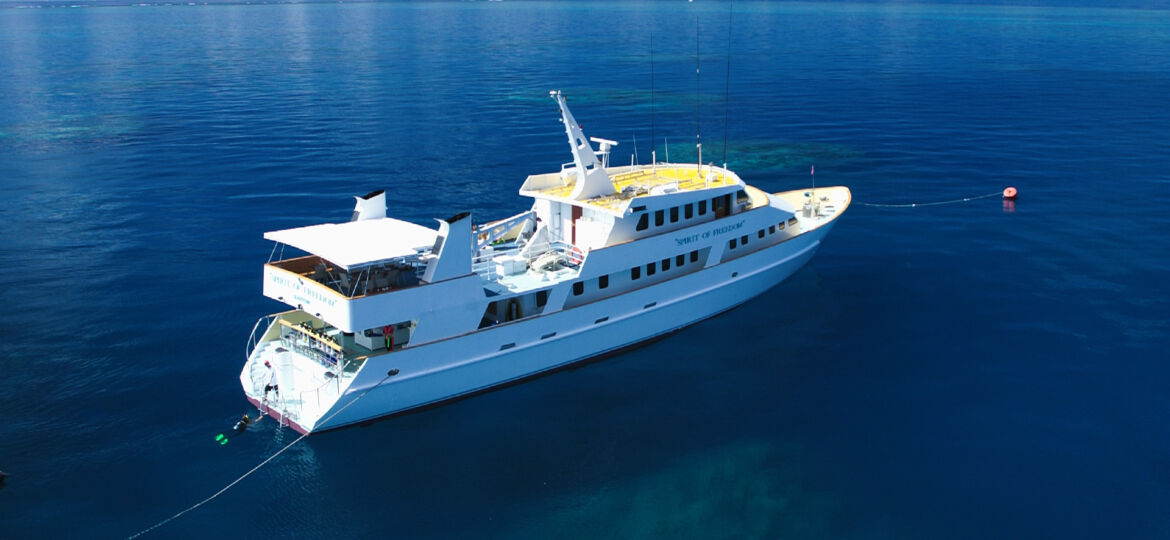
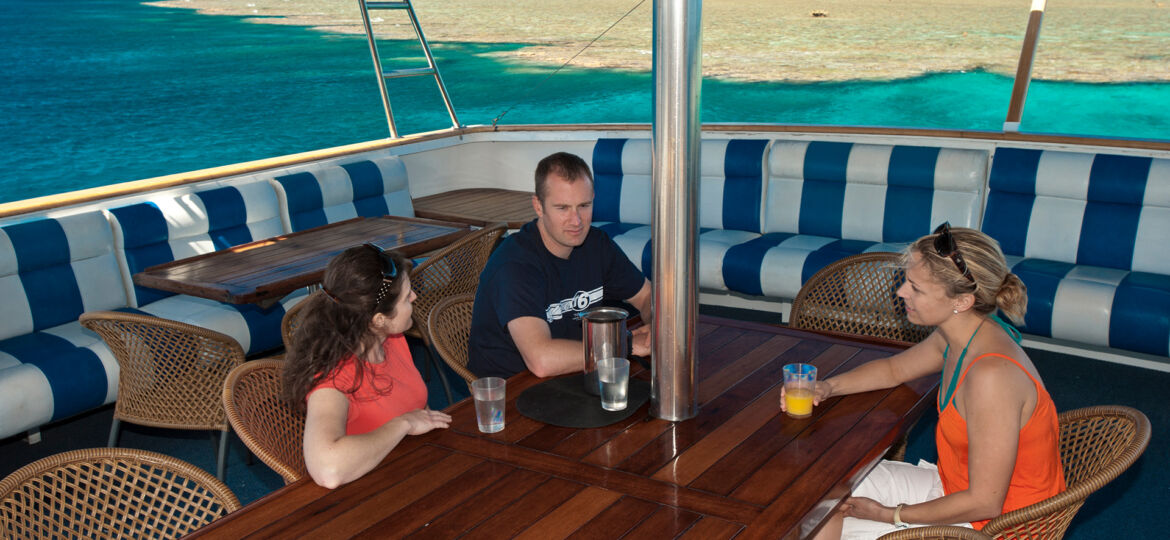
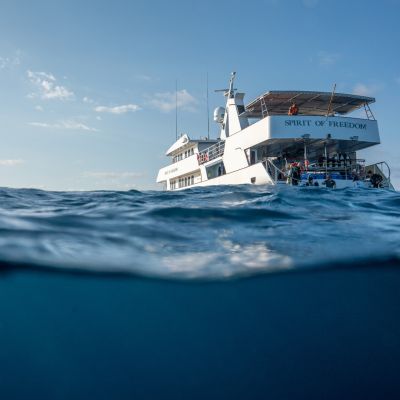
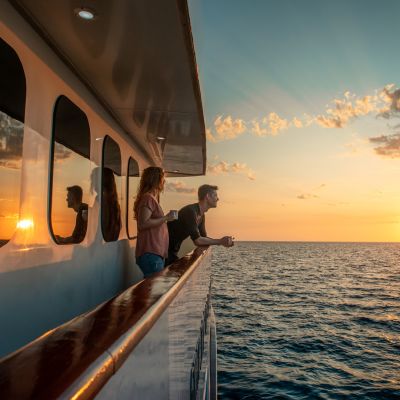
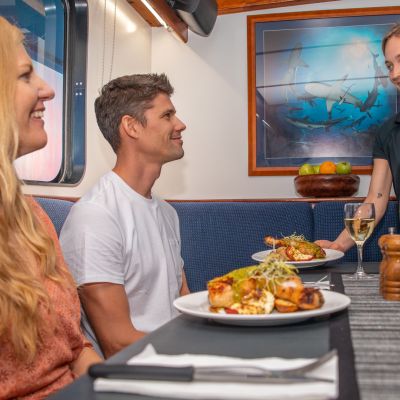
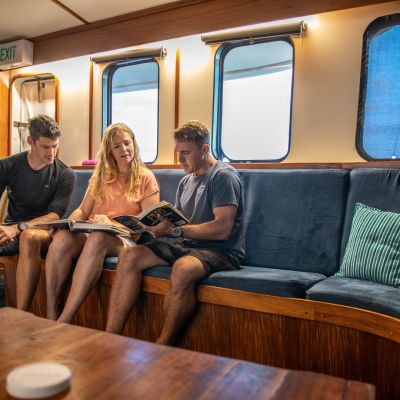
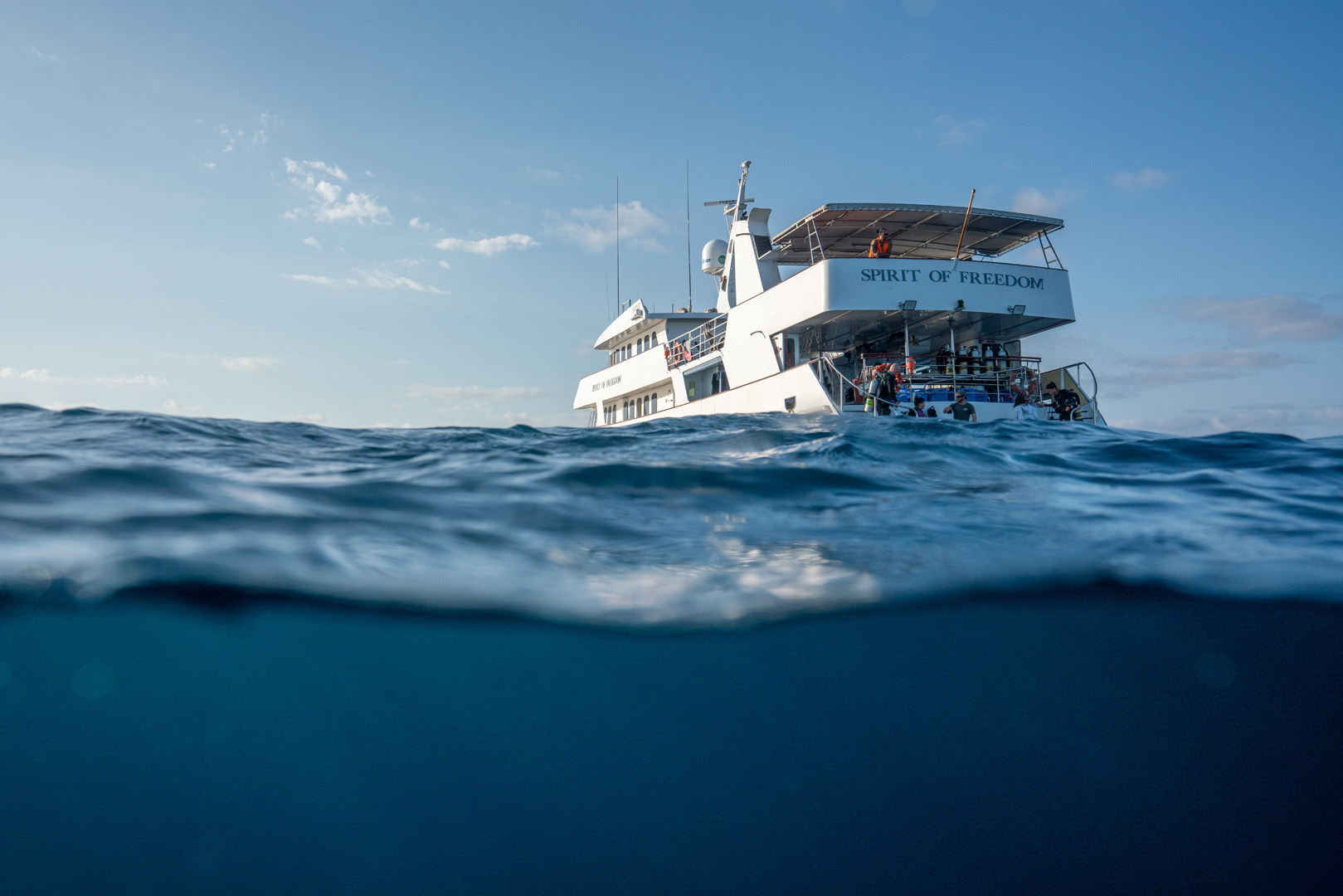
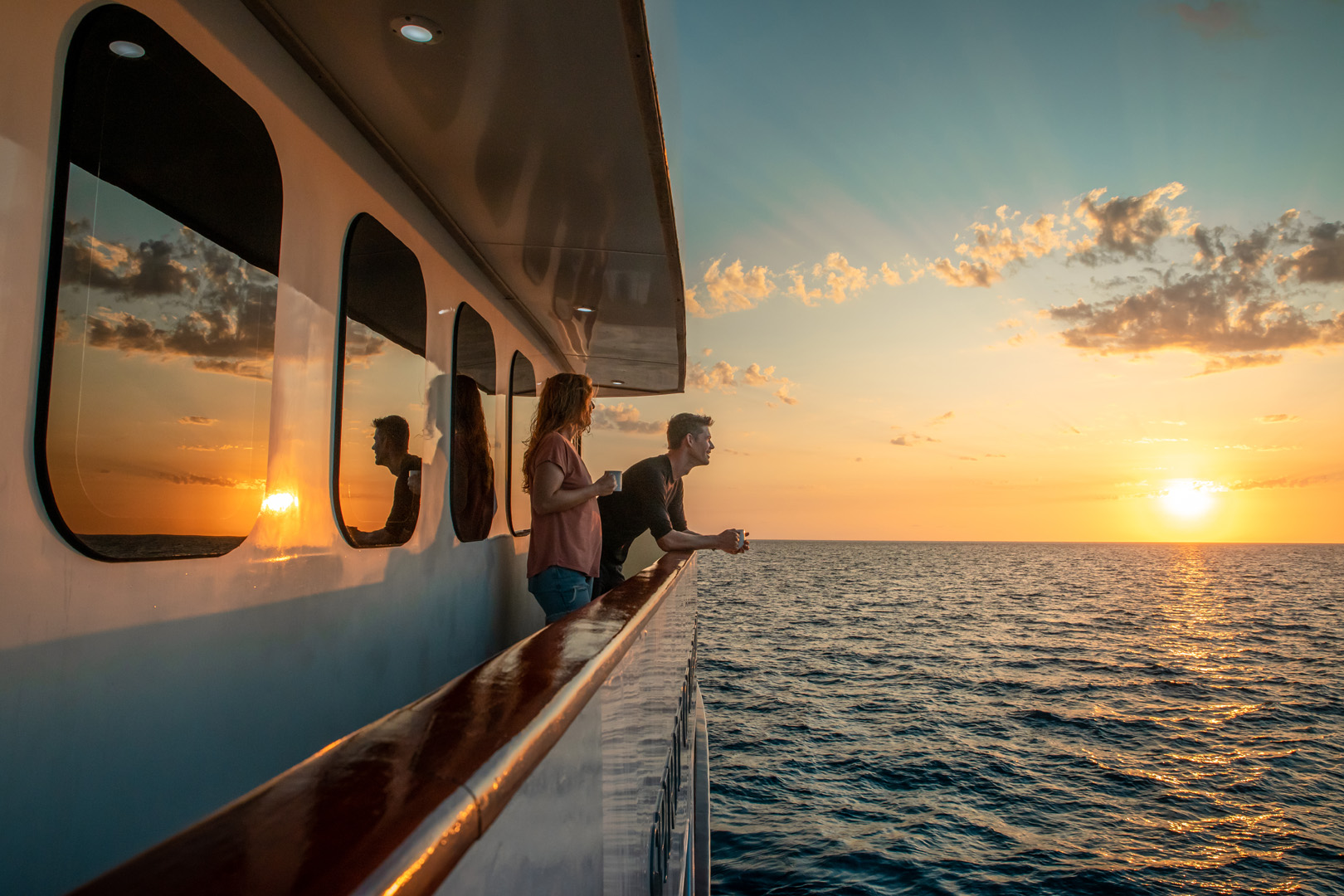
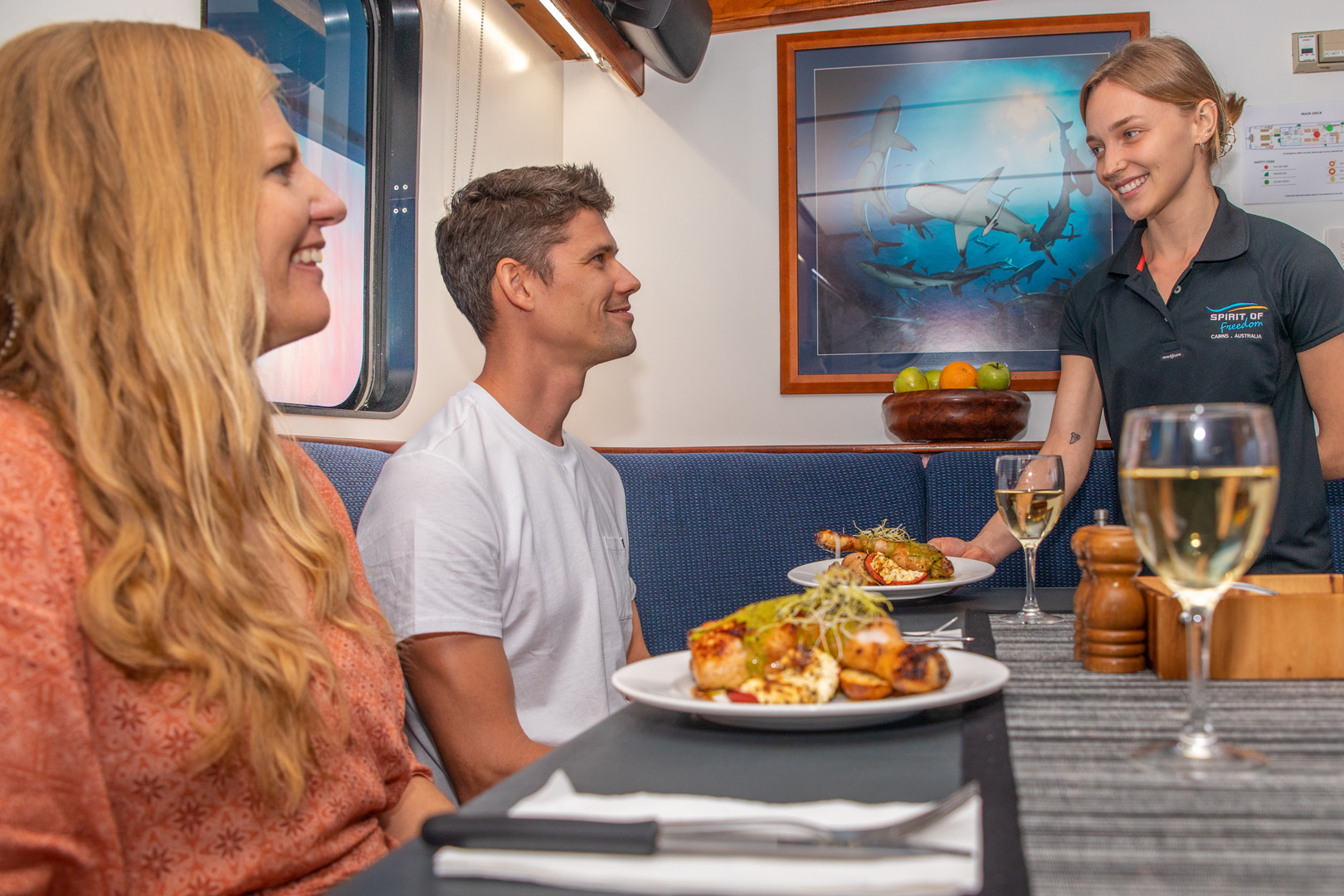
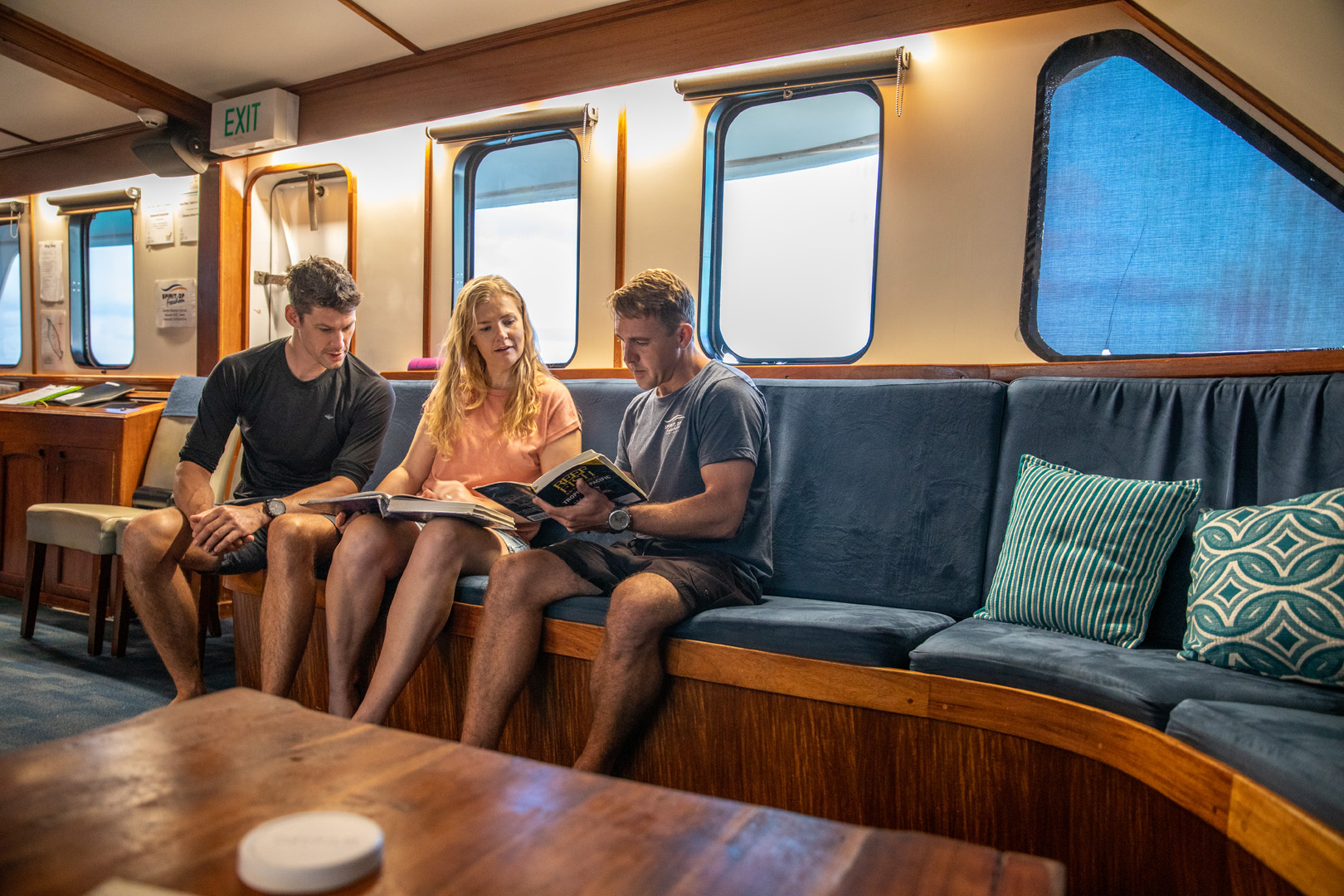
A liveaboard itinerary offers a more stable approach and the chance to combine Yongala with other high value sites along the Great Barrier Reef.
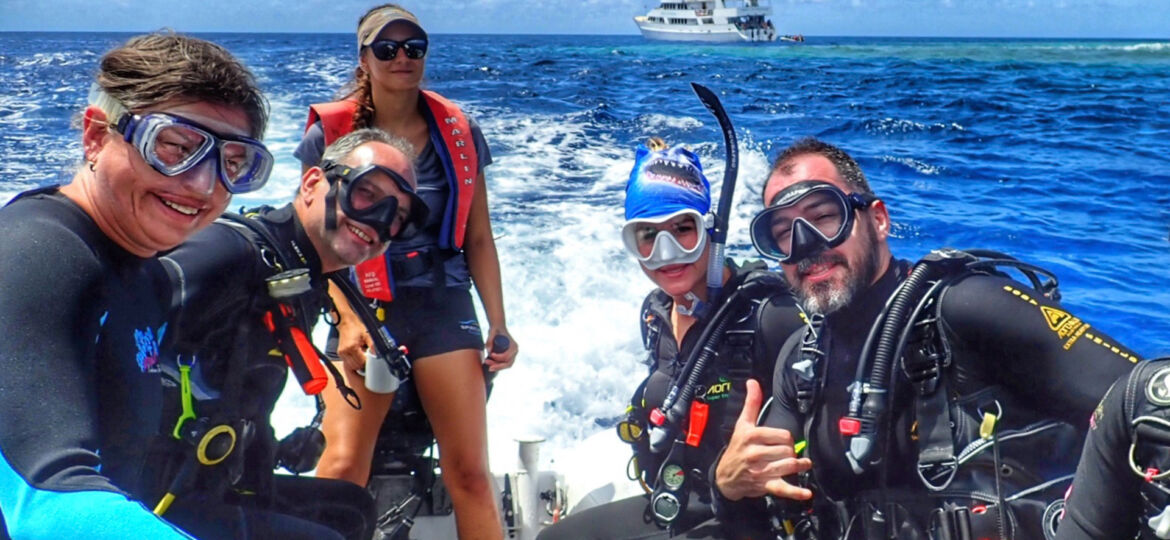
Spirit of Freedom’s special expeditions include the SS Yongala wreck diving as part of extended dive programs.
Preparing for your Yongala Adventure
The Yongala Adventure Exploration is suitable for experienced divers only. Before embarking on this exhilarating journey, it's essential to make the necessary preparations:
- Dive Certification: Ensure you are an Advance Open Water certified diver and have plenty of recorded dives and experience, as the SS Yongala's depth and potentially strong currents require experience.
- Appropriate Gear: Double-check your dive gear and bring any personal equipment you prefer. Or else, you can rent all the dive gear in a set from Spirit of Freedom.
- Travel Insurance: We highly recommend investing in a comprehensive dive travel insurance policy from DAN or Dive Assure to cover any unforeseen circumstances
- Follow Preservation Guidelines: Respect the SS Yongala's protected status by following all guidelines set forth by your trip leader and the Australian Government to preserve the site.
FAQs
The SS Yongala lies about 12 nautical miles off Cape Bowling Green, south of Townsville in Queensland. It sits within the central Great Barrier Reef region.
The Yongala rests on the sandy seabed at roughly 28 to 30 metres. The highest point of the wreck reaches about 16 metres below the surface.
Yes. The depth, currents, and exposed location make the SS Yongala best suited for Advanced Open Water divers or anyone with deep diving experience.
No. The wreck is a protected historic site and penetration is not permitted. All dives are carried out along the exterior of the hull.
The Yongala is famous for sea snakes, large groupers, giant trevally, turtles, rays, barracudas, schooling pelagics, and rich fish biomass. Many divers rate it as one of the best marine life encounters in Australia.
The ship sank during a tropical cyclone on 23 March 1911, taking all 122 people on board. Its scale, tragedy, and later discovery earned it the nickname Australia’s Titanic.
The vessel had no wireless radio and could not receive cyclone warnings. It unknowingly sailed into a severe storm south of Townsville and was lost near Cape Bowling Green.
April to November offers the most reliable conditions. Many divers prefer June to August for clearer water, peak visibility, and cooler temperatures.
Currents can be moderate to strong depending on tides and weather. This is another reason why the site is recommended for experienced divers.
Yes. The wreck lies within the Great Barrier Reef Marine Park and is one of the region’s most significant artificial reef sites.
Yes. With the seafloor at around 30 metres, the dive is classified as a deep recreational dive. Divers must follow appropriate depth and bottom time limits.
Its intact structure, strong currents, and open ocean position create ideal conditions for marine life. Most dives feature dense coral growth, large predators, and a true underwater time capsule.
Why Travel with Spirit of Freedom
Experience the Great Barrier Reef with Australia’s premier liveaboard diving operator.
Highly regarded Operator
Long term experience and established reputation for exceptional diving expeditions
Small Group Expeditions
Expeditions with around 20 to 26 guests for personalised experience
Expert Crew
Experienced team with deep reef knowledge and commit to your safety
Premier Dive Sites
Access to remote uncrowded dive locations.
Purppose Built Vessel
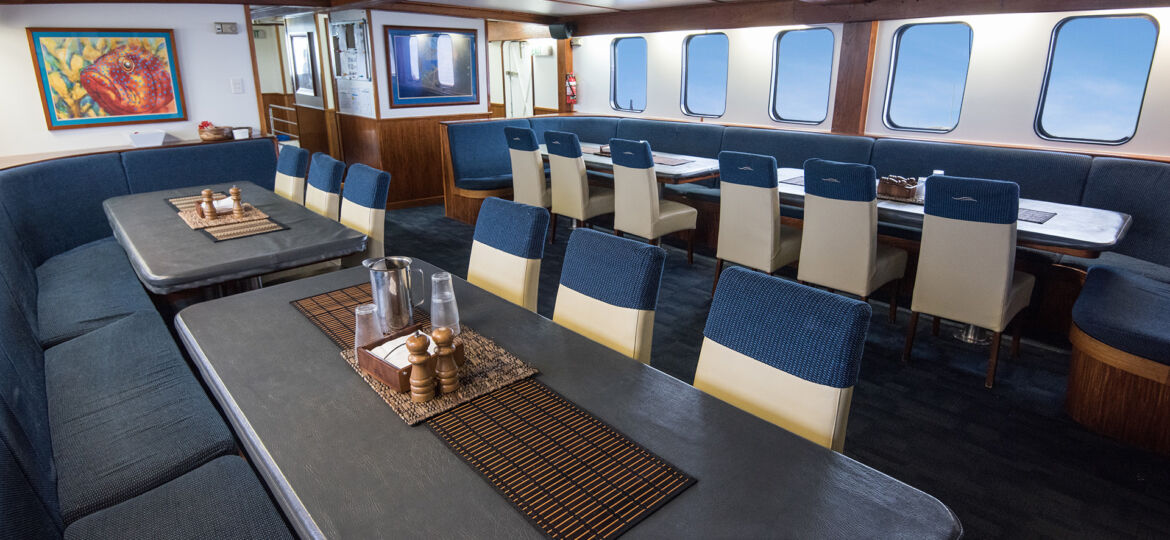
Comfortable, modern Liveaboard designed specifically for diving expeditions.
Safety & Marine Park Compliance
Full Marine Park compliance and exceptional safety standards on every expedition.