
Far North Great Barrier Reef Diving
Remote and Pristine Dive location
What Makes the Far North Unique
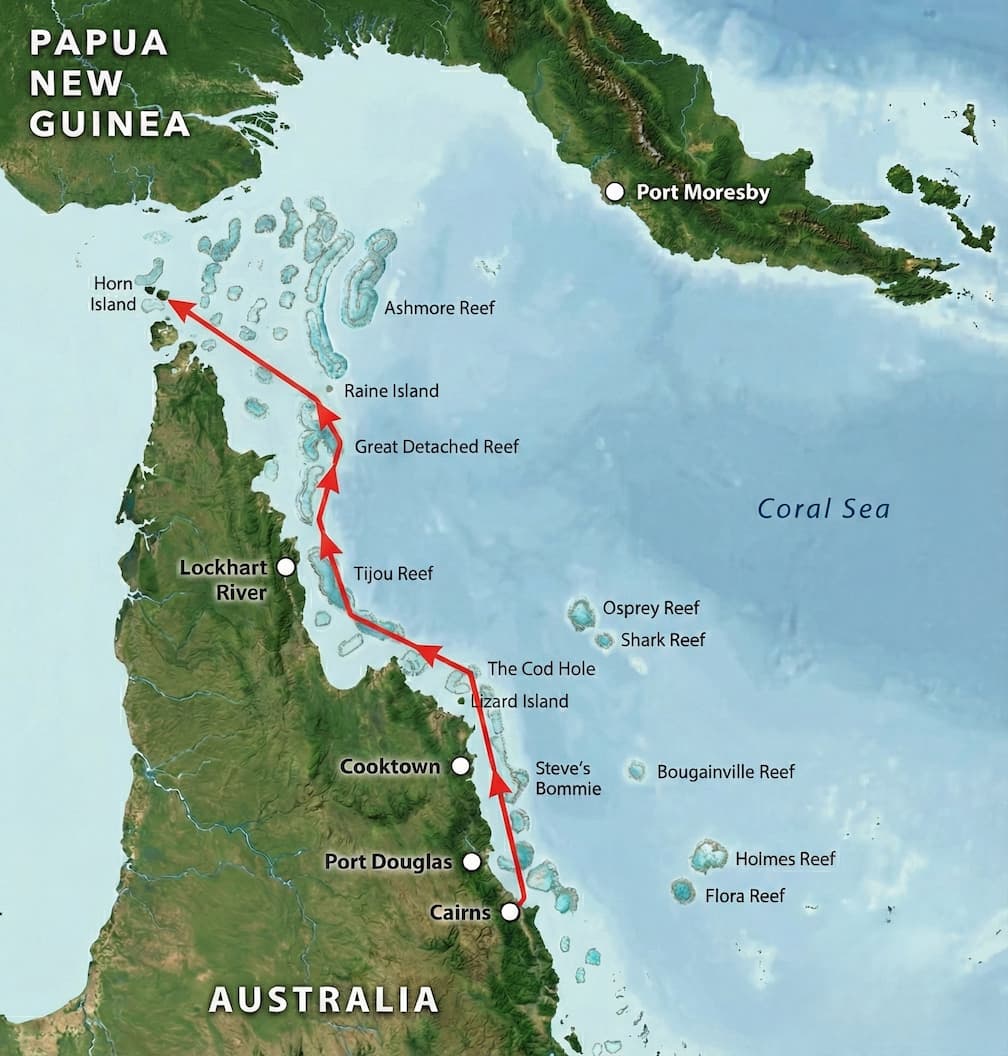
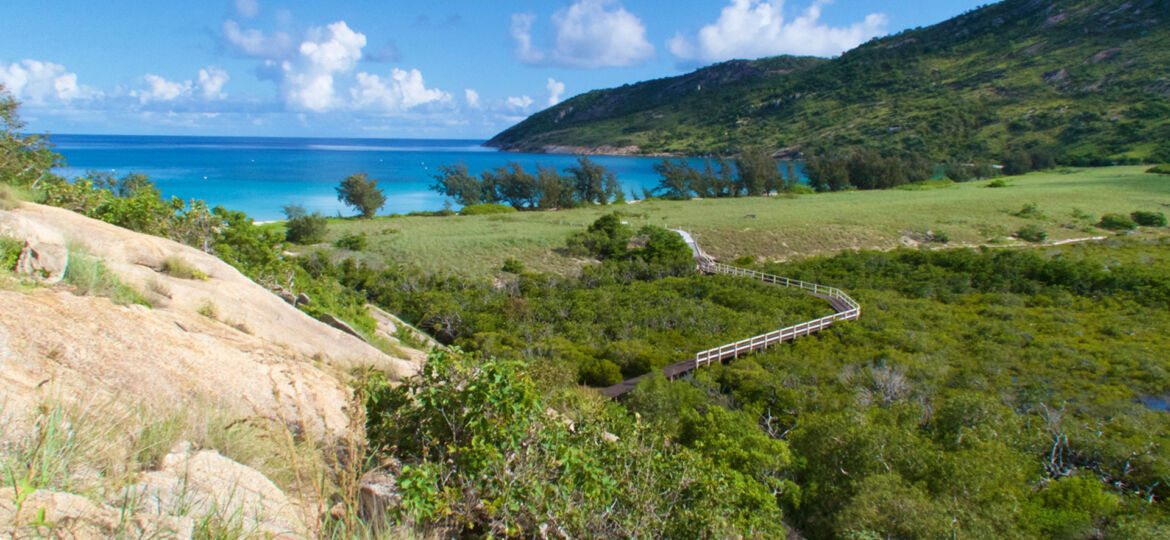
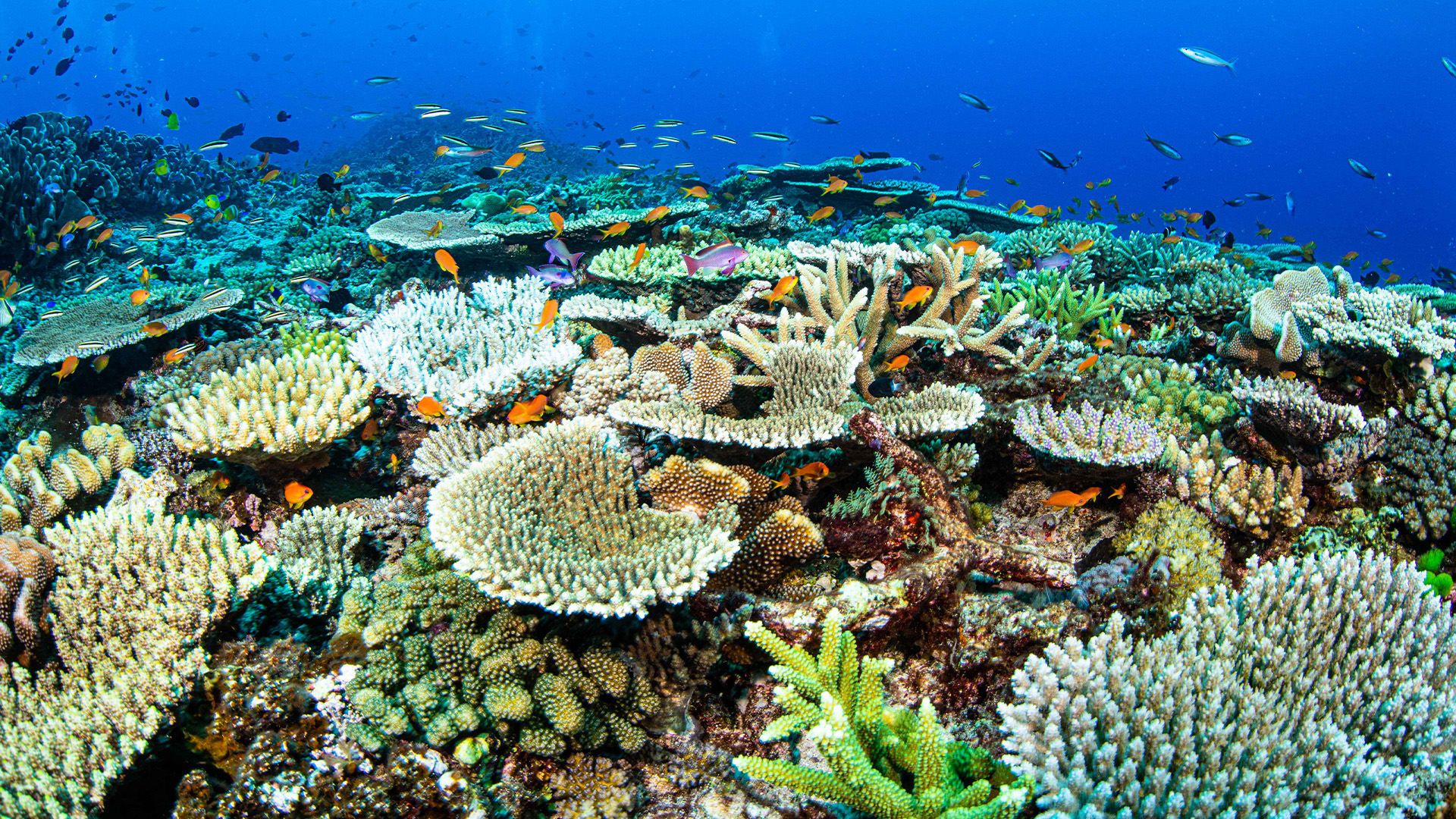
The Far Northern Great Barrier Reef is one of the last remaining untouched gems of the reef, offering an unparalleled exploratory diving experience. This remote stretch of the reef, which spans a chain of outer reefs from Cooktown all the way up to the Torres Strait, remains one of the most pristine and uncharted sections of the entire Great Barrier Reef. Far removed from typical tourist routes, the area offers a rare opportunity to explore some of the healthiest and most vibrant coral systems still thriving in the reef.
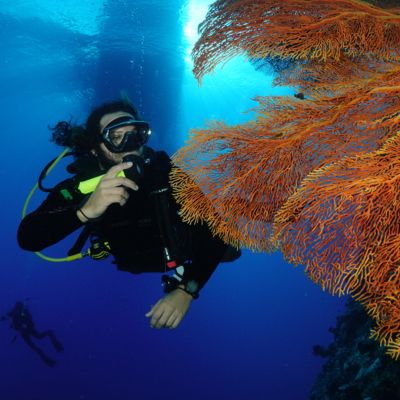
The area includes famous dive sites like Raine Island, Tijou Reef, and the Great Detached Reefs. These regions remain largely unexplored and have yet to be professionally mapped, making them perfect for those seeking a true expedition diving experience. The underwater landscapes here vary greatly, from towering oceanic walls and isolated pinnacles to flourishing coral gardens, deep canyons, and hidden caves. Shaped by strong oceanic currents and exceptional water clarity, the Far North offers a dynamic and diverse ecosystem for divers seeking something truly unique.
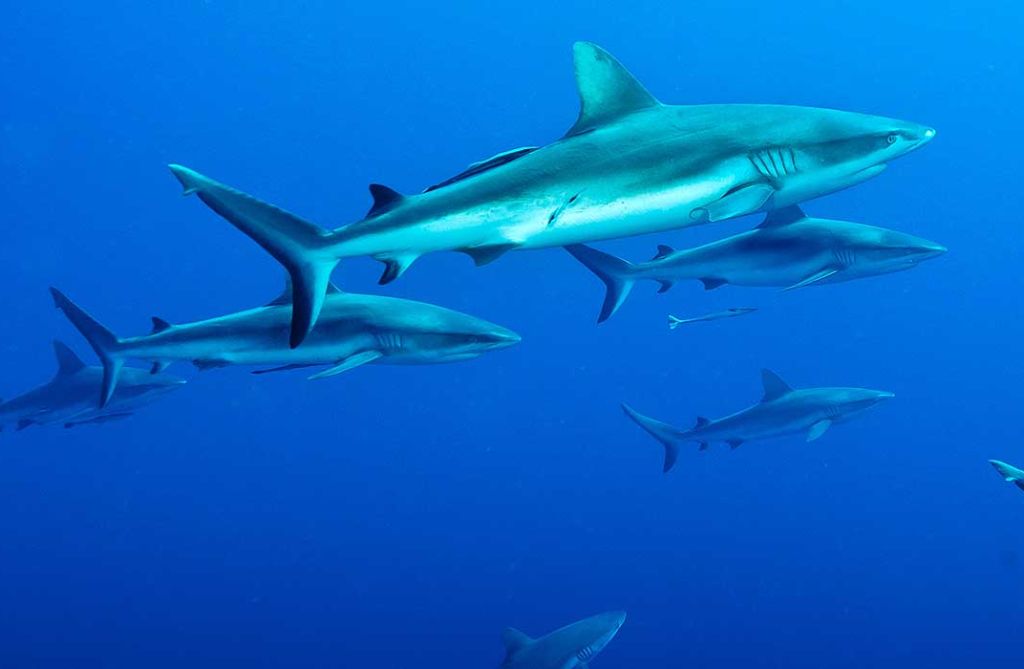
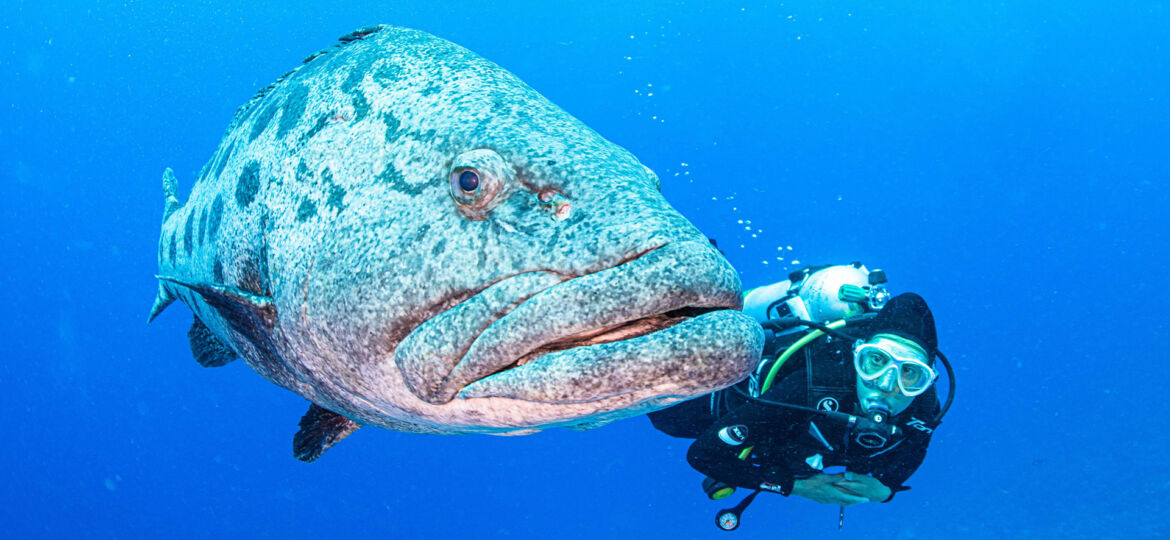
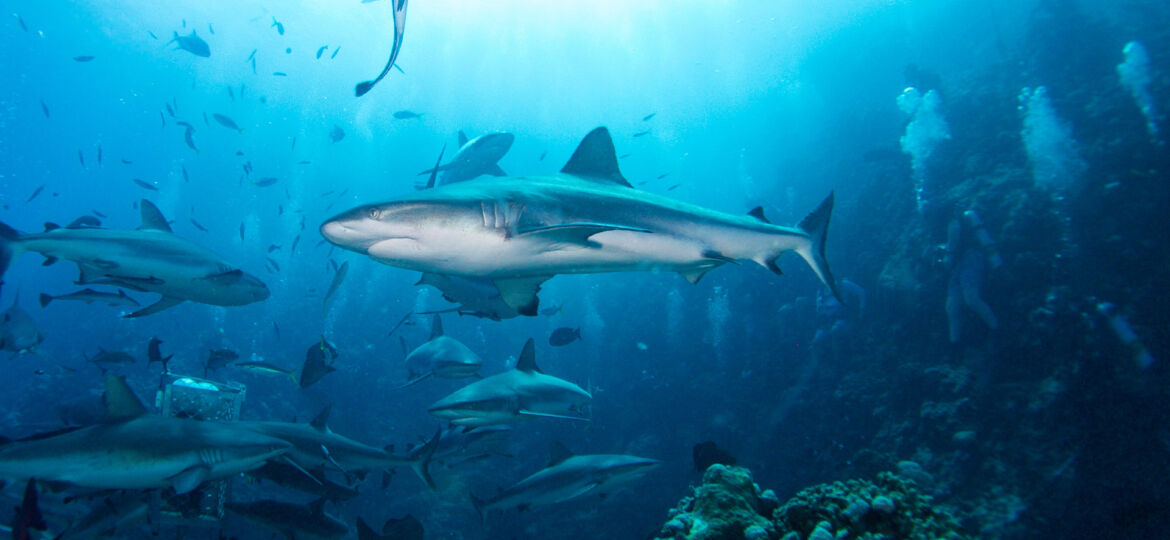
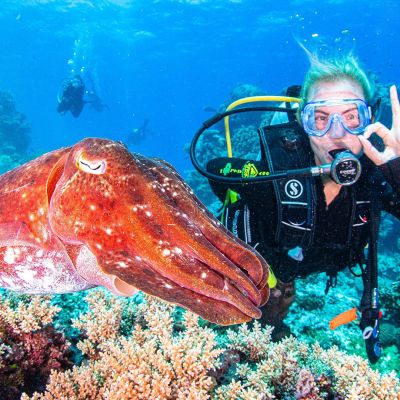
Marine life encounters in the Far North are exceptional and varied. Divers often see grey and whitetip reef sharks, large schools of pelagic fish, rays, sea snakes, and a rich variety of macro species. From October to March, the region becomes a major nesting ground for green sea turtles, with Raine Island serving as a key nesting site. During this period, thousands of turtles return to these protected beaches, and the surrounding waters are teeming with activity as they nest and migrate. This offers a rare opportunity to witness the incredible nesting behaviour of these ancient creatures.
The conditions in early summer provide ideal diving opportunities, with lighter winds offering better access to the exposed outer walls of the reefs. The strong oceanic flushing helps the coral systems remain resilient and contributes to some of the highest coral cover recorded in the Great Barrier Reef. This natural process ensures the reefs stay vibrant and healthy, making the Far North a premier destination for expedition-style diving.
Whether you’re exploring the remote Tijou Reef, diving along the steep walls of the Great Detached Reefs, or encountering sea turtles near Horn Island and the Torres Strait, the Far Northern Great Barrier Reef promises a truly exceptional and unforgettable diving adventure.
Marine life encounters
Marine life encounters are significant. You can expect:
- Grey reef sharks
- Whitetip reef sharks
- Schools of barracuda
- Manta rays when conditions are right
- Turtles in large numbers during nesting season
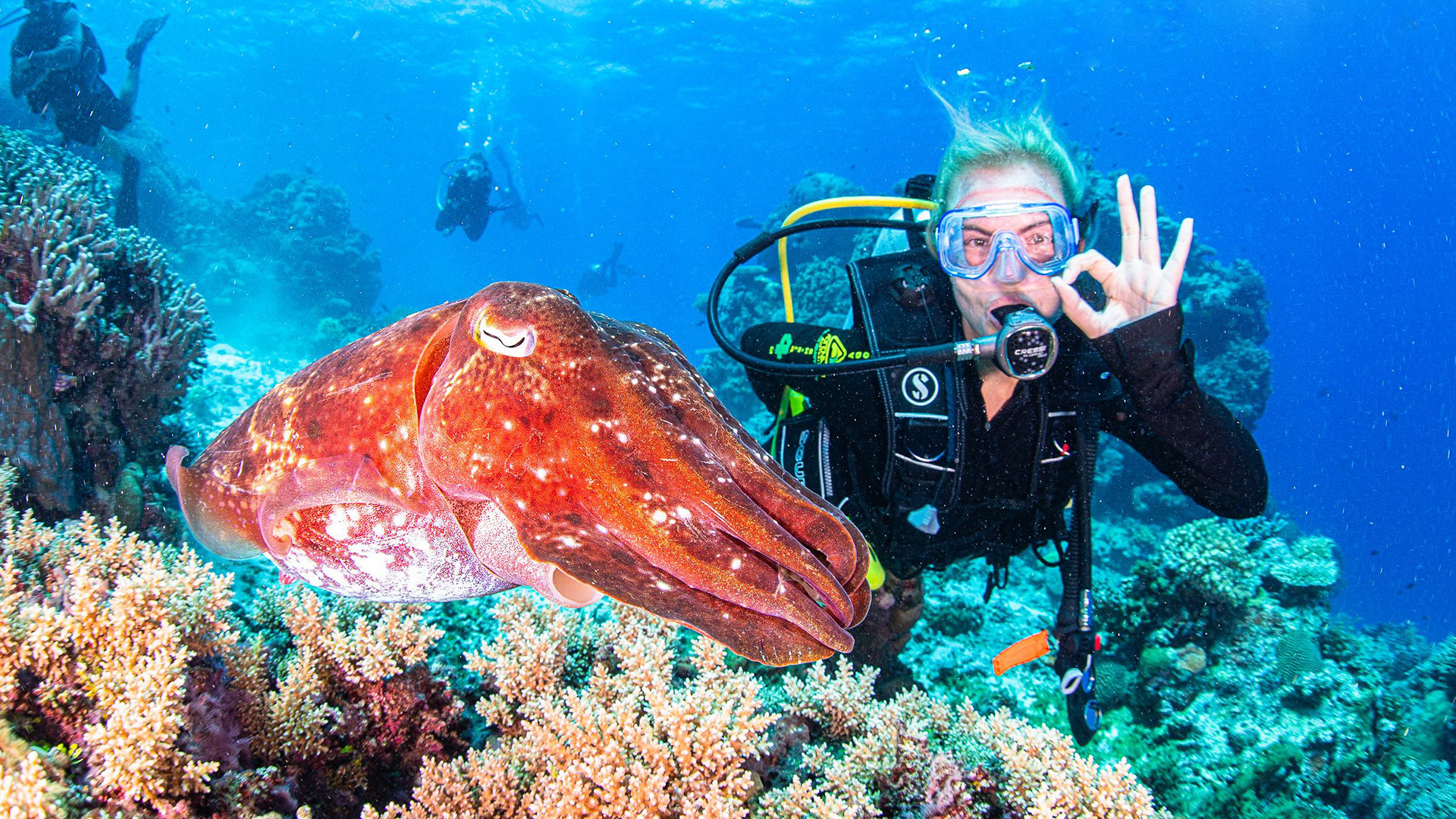
- Dense macro biodiversity including nudibranchs, shrimps, and pipefish
The diving feels wild and unfiltered. There are no crowds, no coastal runoff, and no competing boats.
Underwater Landscapes
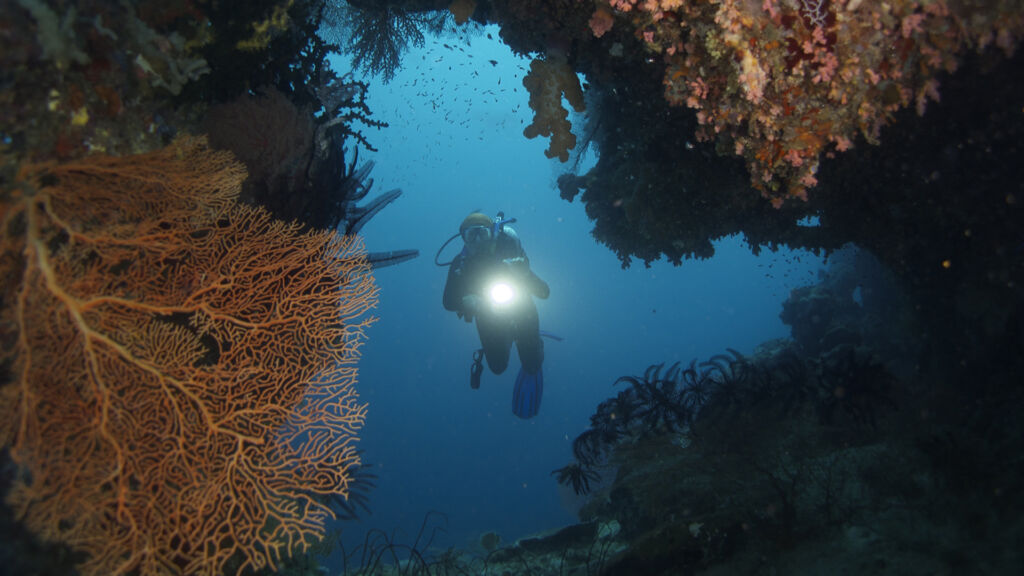
The Far North delivers a wide mix of environments:
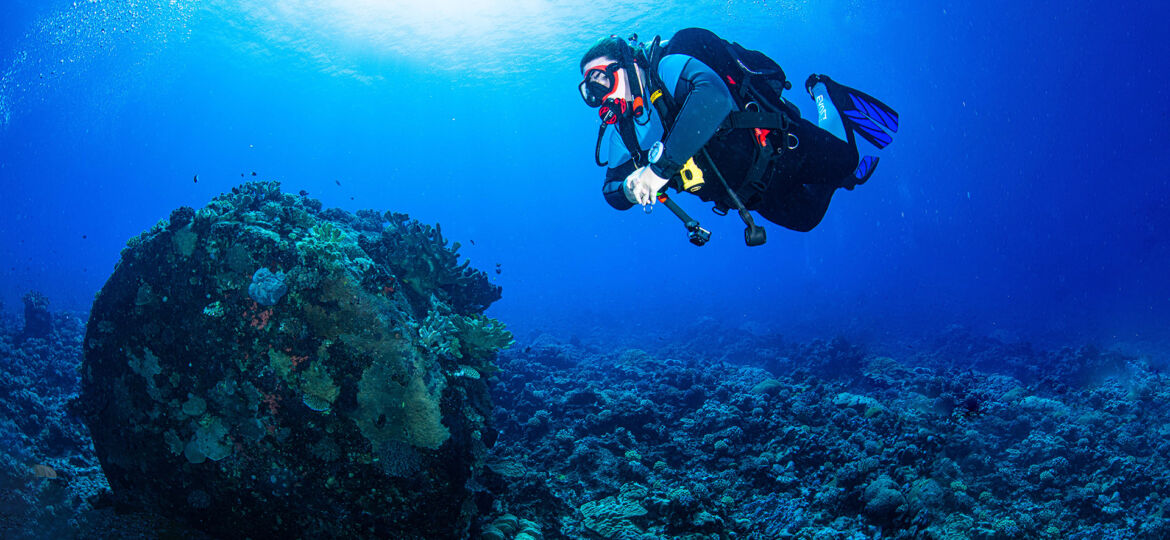
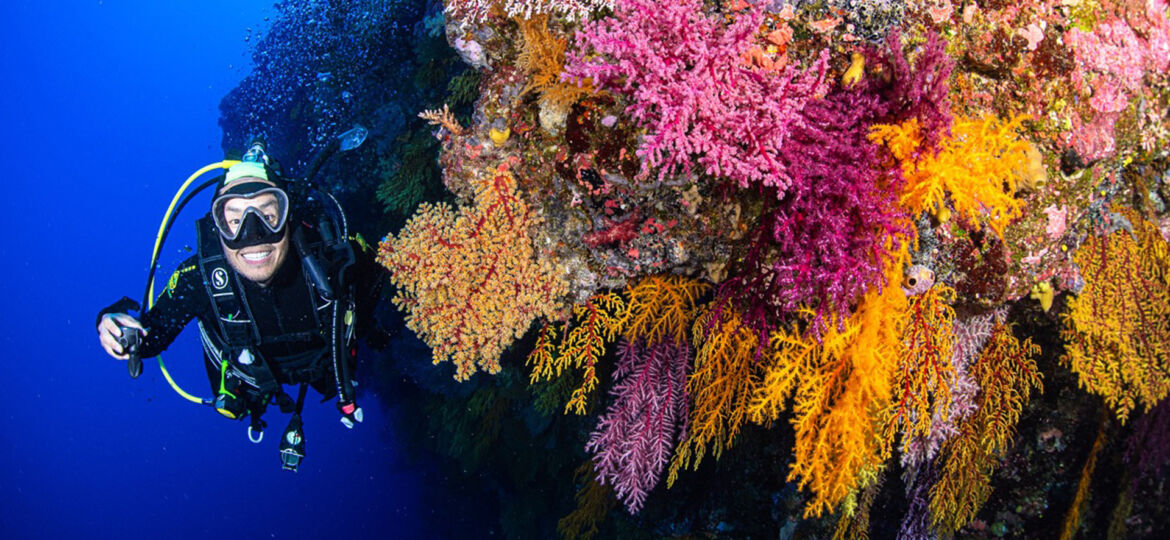
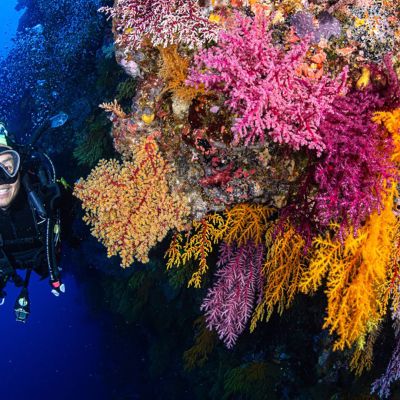
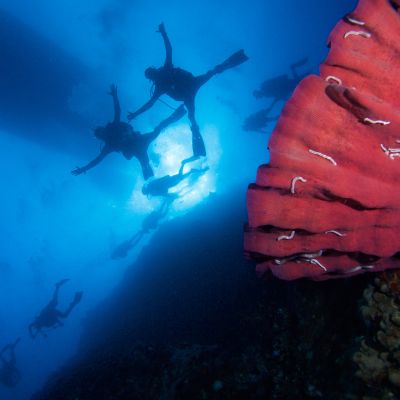
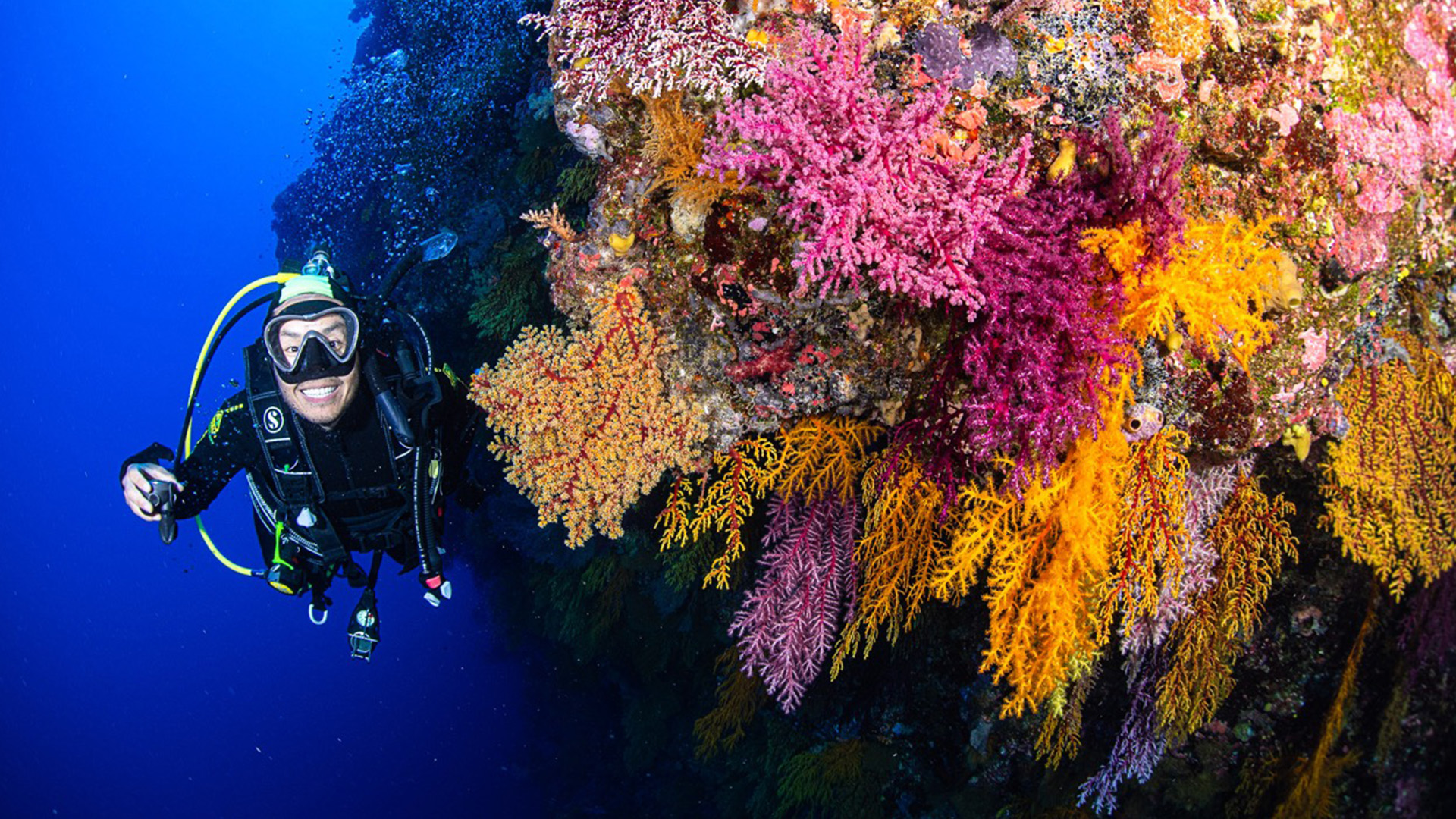
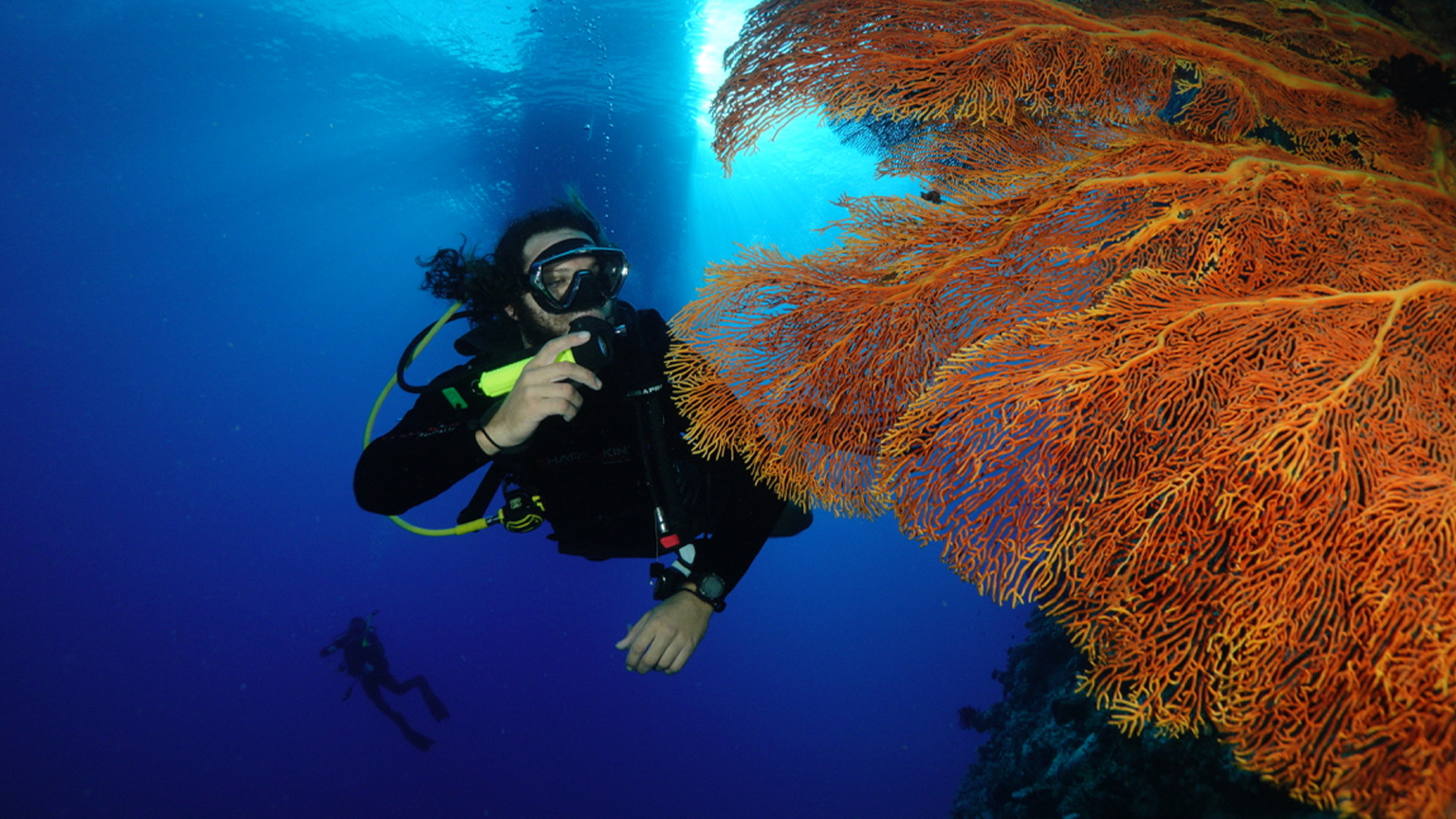
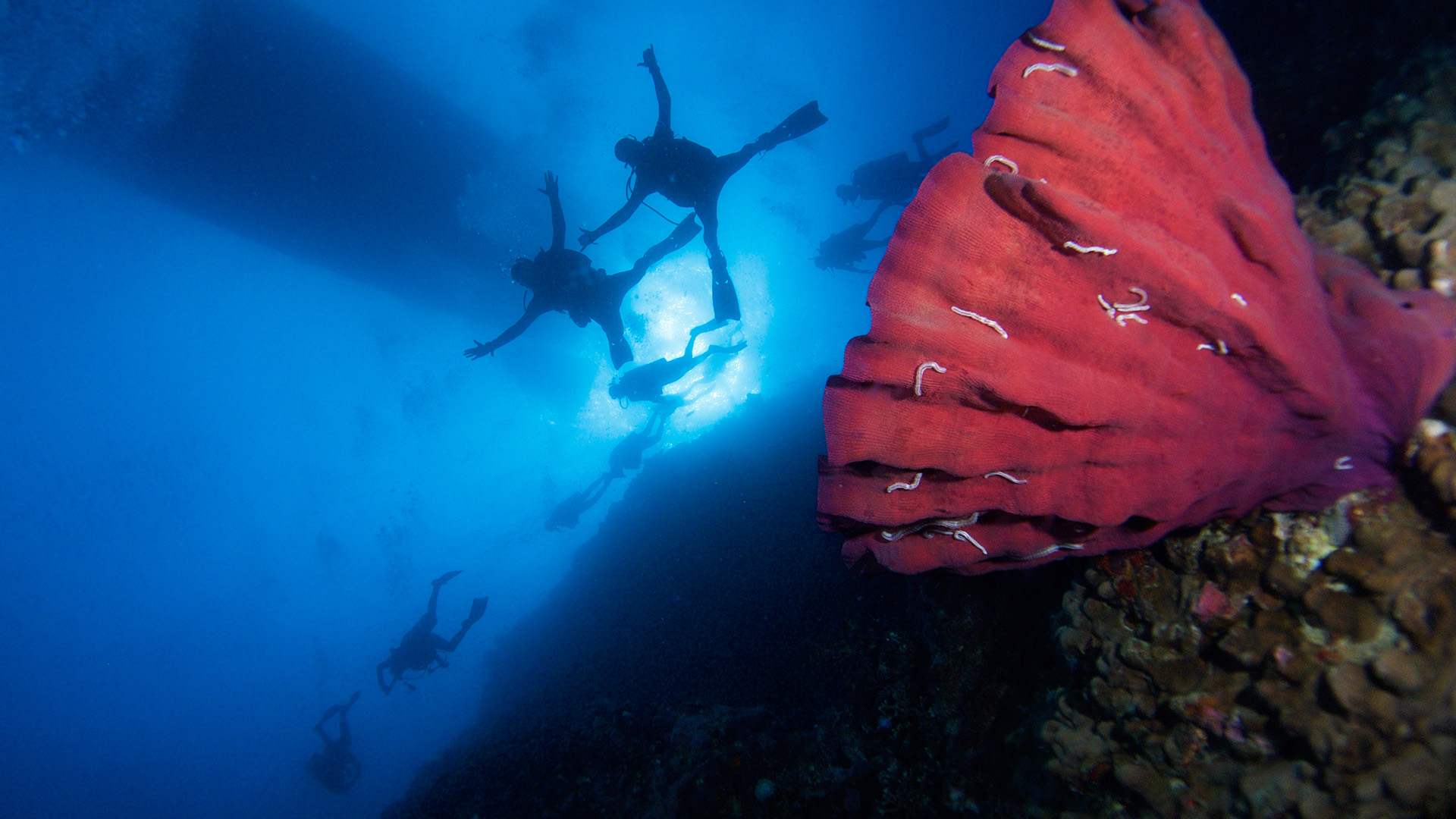
- Steep ocean walls lined with gorgonians and soft corals
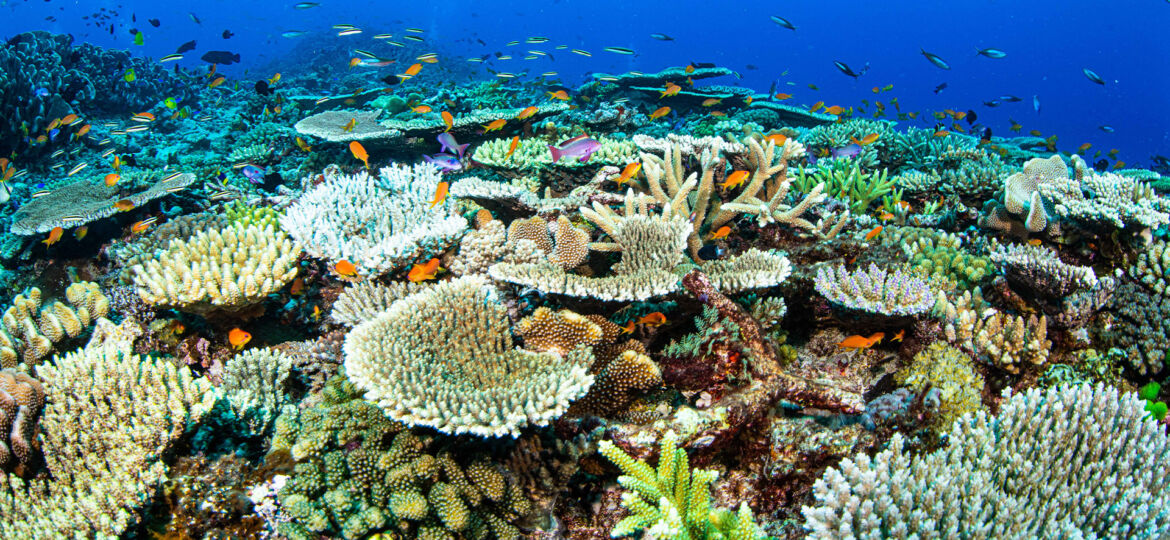
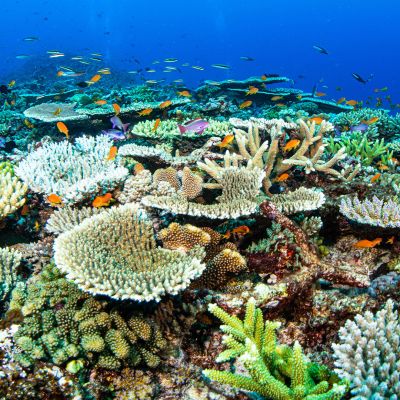
- Coral gardens with impressive formations
- Isolated pinnacles
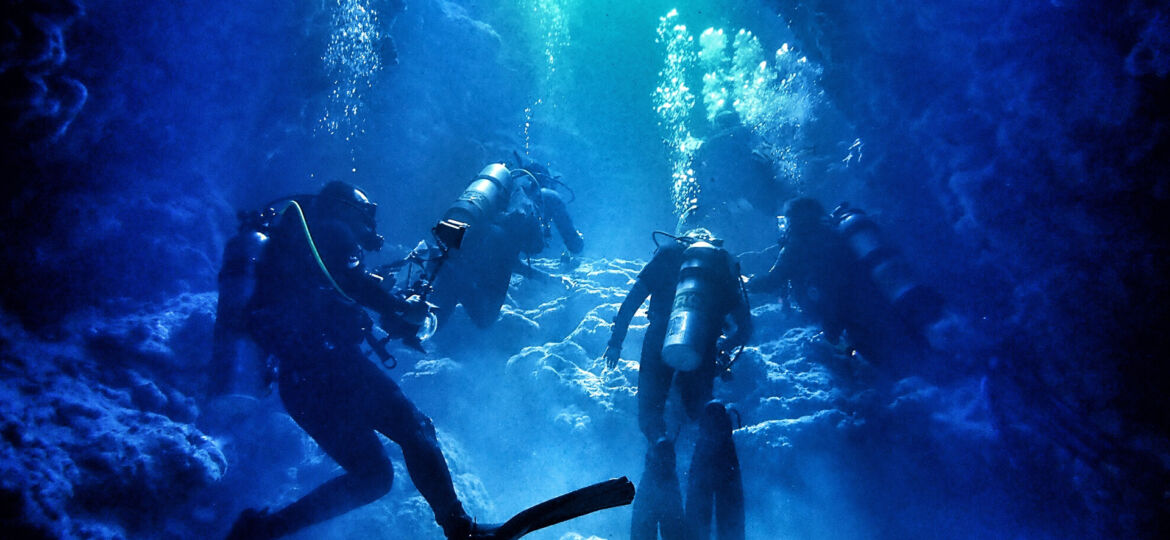
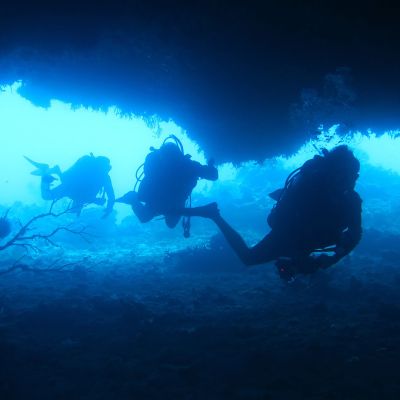
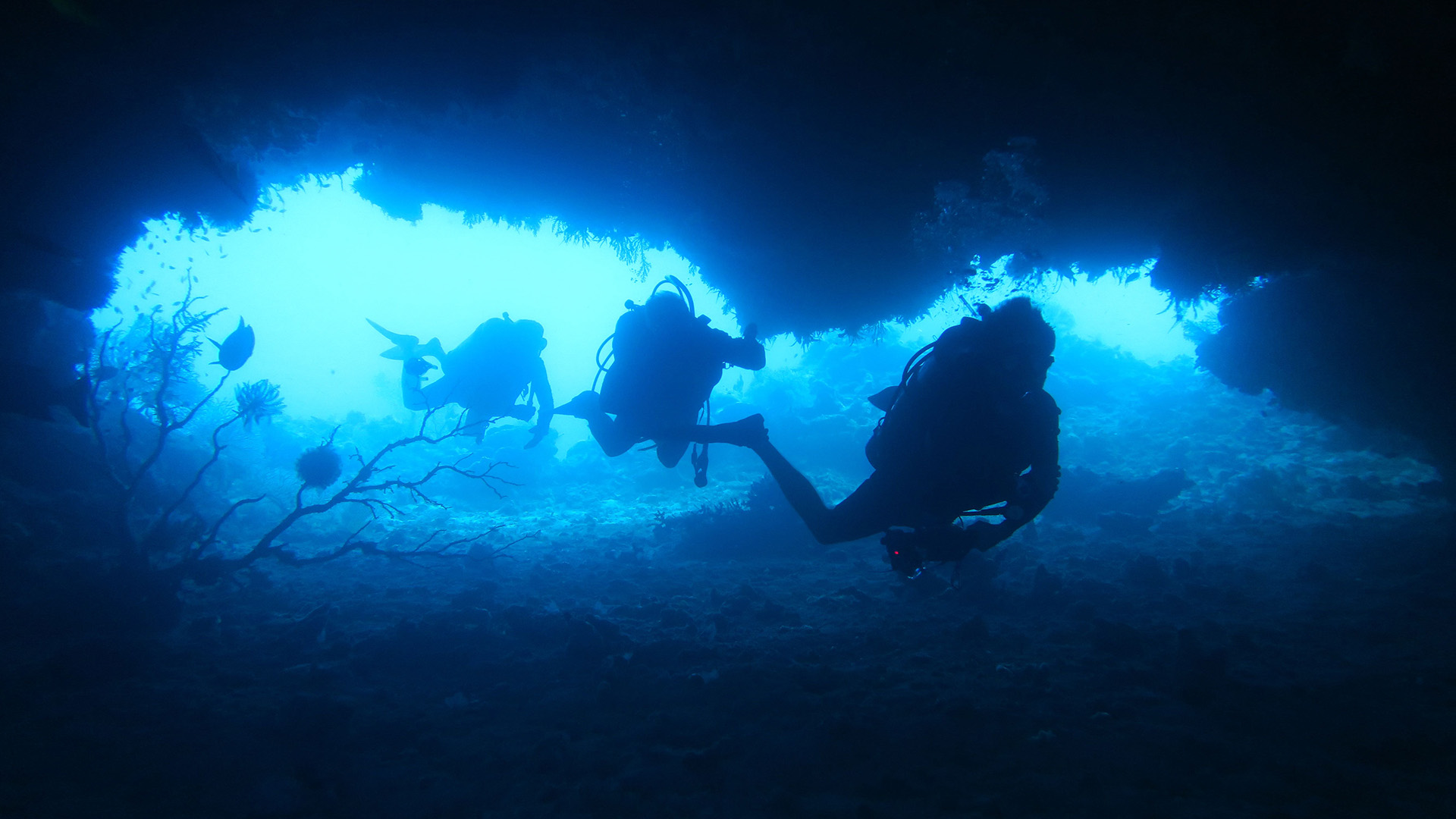
- Bays, caves, and canyons
- Blue water encounters with pelagic species
The region has a biodiversity profile that is different from the Cairns area and different again from the Coral Sea.
It is a rare combination of untouched coral and oceanic influence.
Dive Conditions and Experience Level
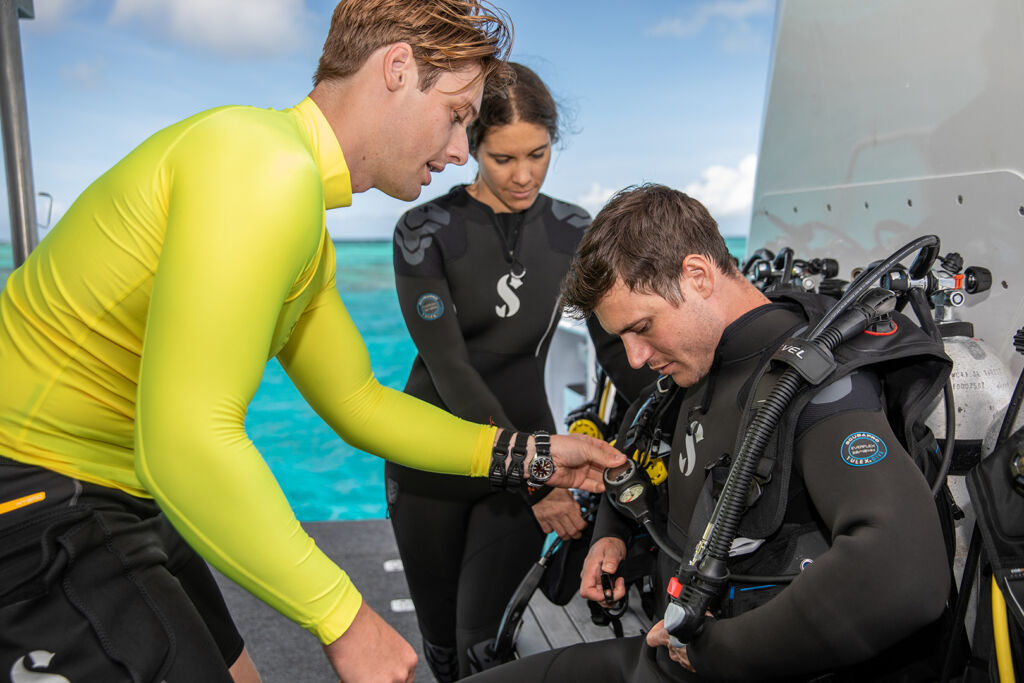
The Far Northern Great Barrier Reef is an extraordinary dive experience, but it requires preparation and the right certification. Here are the key details:
- Depth: Dive sites range from 12 meters at shallow reef tops to over 40 meters at deeper wall dives, with sites like Raine Island and Tijou offering significant depth variations.
- Visibility: Typically ranges from 10 to 25 meters, with occasional exceptional clarity.
- Currents: Currents are common and can be strong, especially around sites like Raine Island and Tijou. These can add both excitement and challenge to the dive, requiring divers to be prepared for changing conditions.
- Certification:Advanced Open Water certification is strongly recommended for most sites due to depth and current conditions. Deep Diver certification may be necessary for some of the deeper sites.
The dive sites are located in open water with no shelter. Conditions can change quickly, making this a dive experience suited to confident, experienced divers.
Best time to Dive Far Northern Great Barrier Reef
Early summer, particularly October to December, offers lighter winds and better access to exposed reef walls.
This period also aligns with turtle nesting activity and consistent warm water.
How to Dive the Far Northern Great Barrier Reef
The Far Northern Great Barrier Reef is not accessible by day boats and cannot be reached on standard Cairns trips. The region sits hundreds of kilometres from populated areas, with most reefs located far offshore along the tip of Cape York. Because of the distance, conditions, and lack of local infrastructure, the only practical way to dive this area is through a dedicated multi day liveaboard expedition.
Livaboard Experience
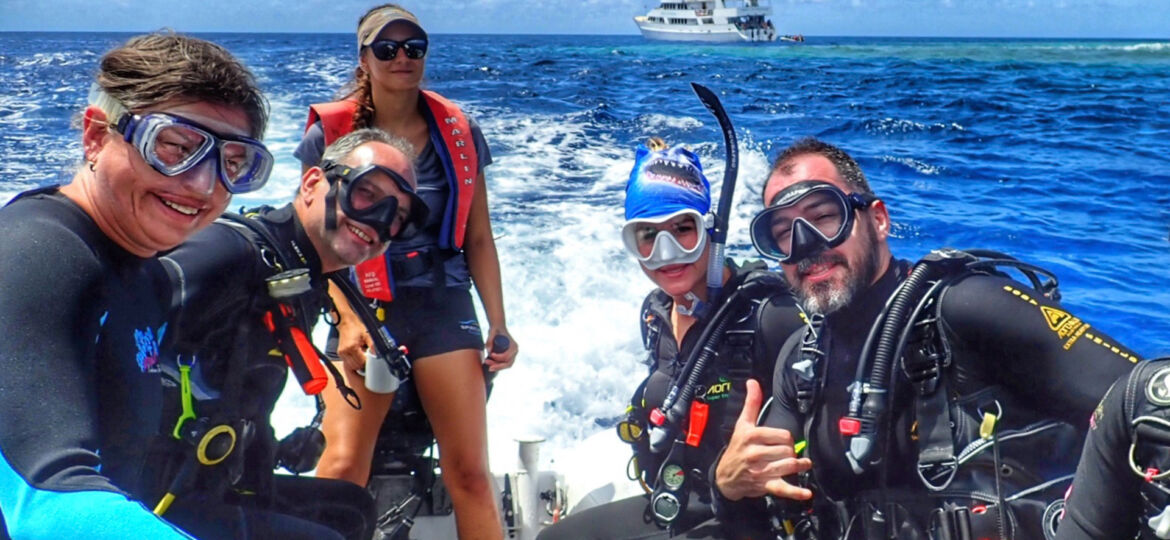
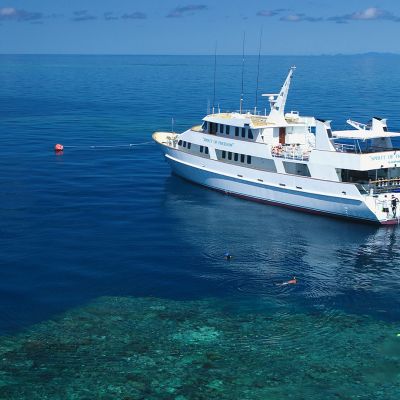
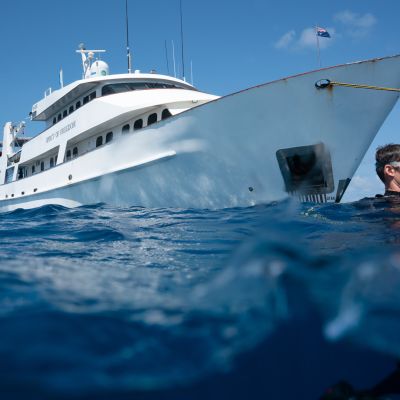
Liveaboard expeditions offer the stability, range, and expertise needed to manage the long travel distances, complex conditions, and diverse dive sites. They also allow divers to experience the remote reefs over several days without the limitations of day operations.
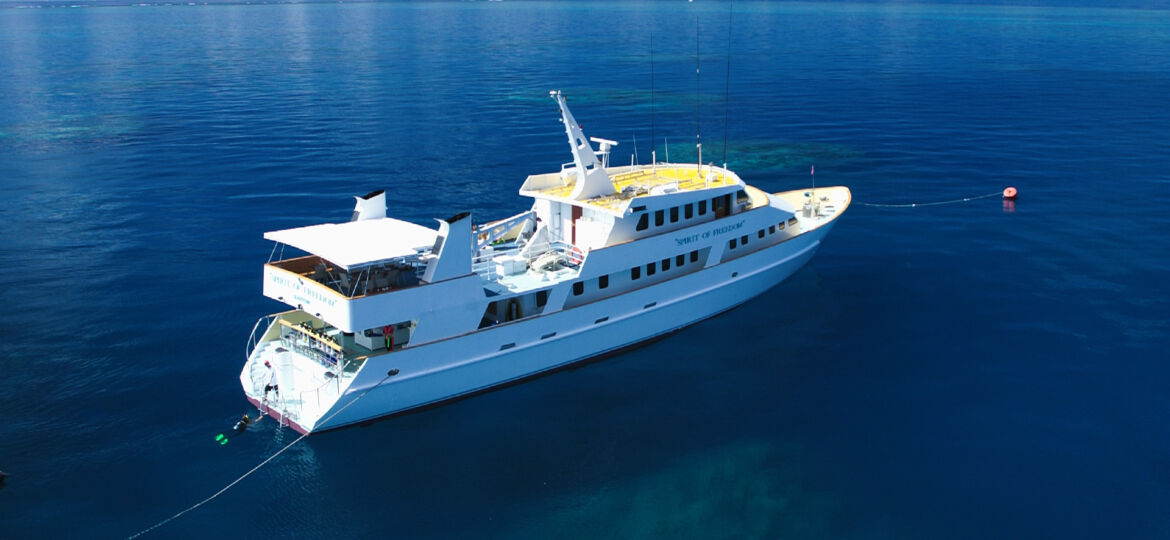
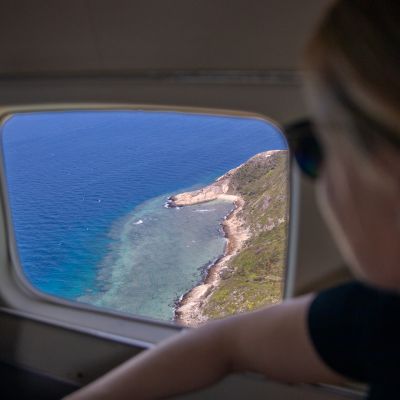
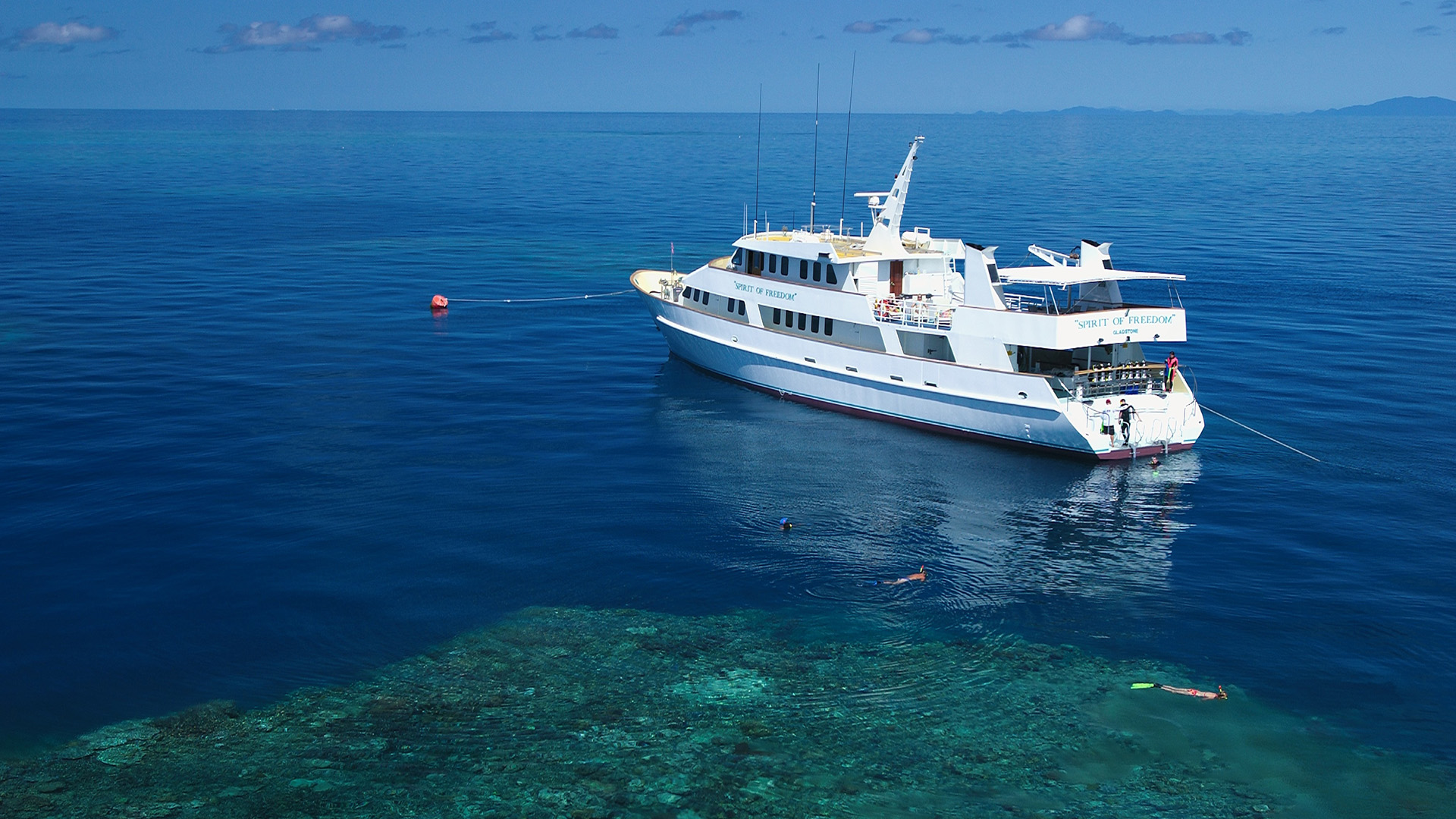
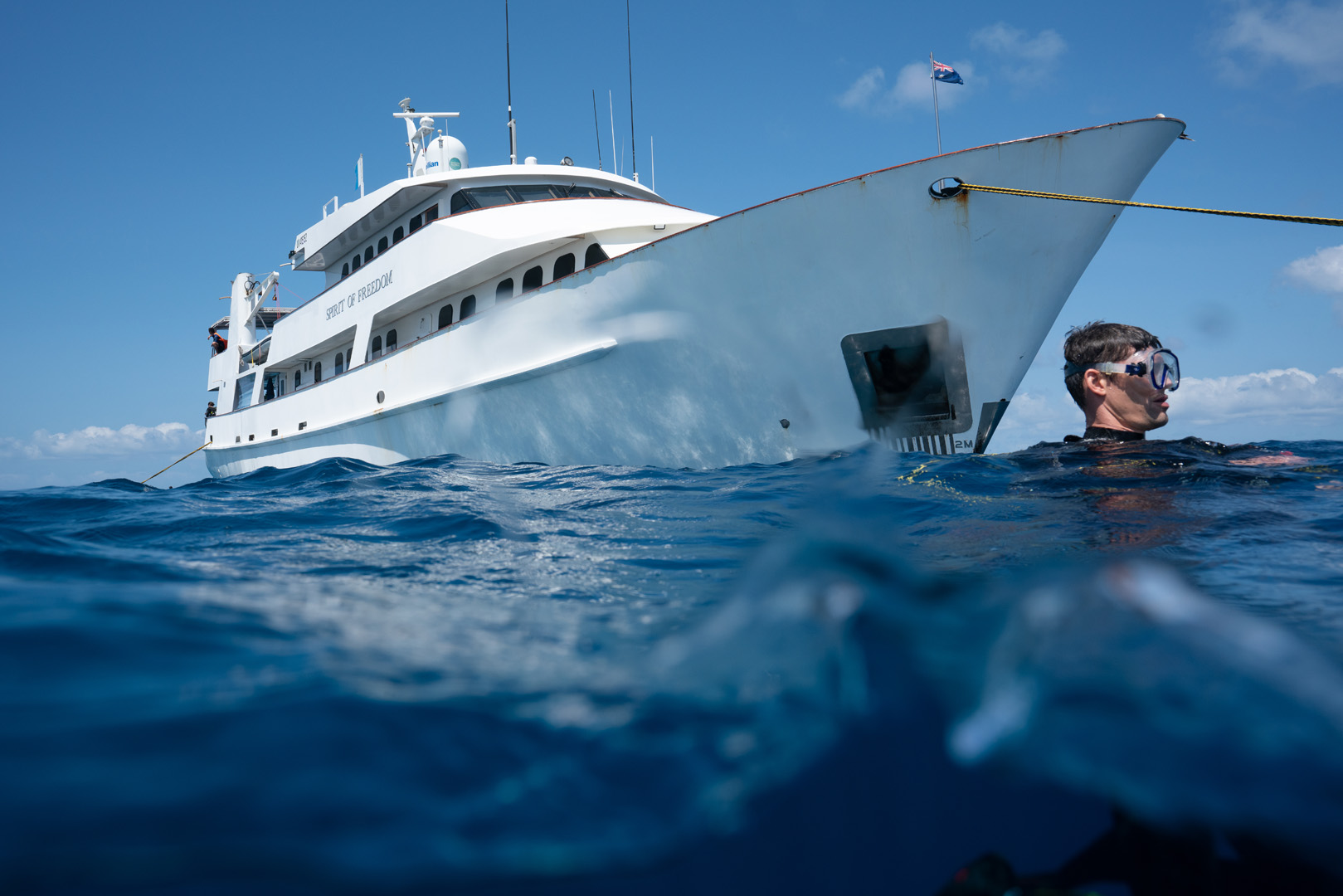
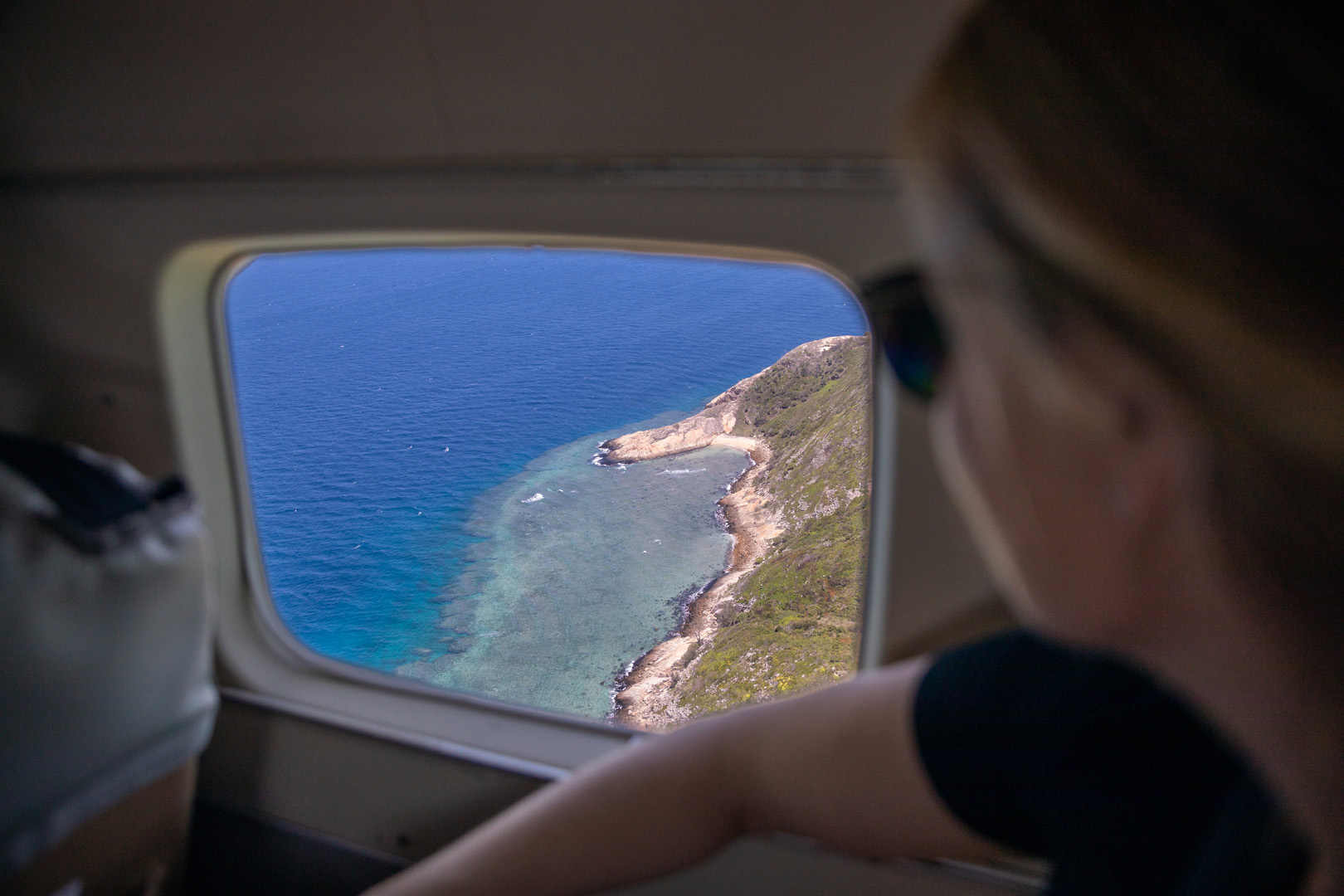
Spirit of Freedom runs select seven night expeditions through this region, combining exploration with a curated selection of high quality sites. These itineraries include deep walls, coral gardens, pinnacles, and blue water encounters that are unique to the Far North. The trip begins at Horn Island, with a flight connection, and then follows a route south along some of the most untouched sections of the Great Barrier Reef.
This approach gives divers a safe, organised, and comfortable way to experience one of the last truly pristine marine environments in Australia.
Gallery
FAQs
The Far Northern Great Barrier Reef lies off the remote tip of Cape York Peninsula in Queensland, Australia. It covers the outer reef systems between Cooktown and the Torres Strait and is one of the most isolated sections of the reef.
The Far North sits far from major towns and tourist routes, so it has very low local fishing and tourism pressure. This isolation has helped the coral systems stay healthier and more intact than many central reef areas.
The Far Northern Great Barrier Reef is known for higher coral cover, more diverse reef structures, and fewer signs of damage from storms and bleaching events. Divers often describe the region as how the reef used to look before heavy tourism.
In the Far North you can see reef sharks, sea turtles, rays, bumphead parrotfish, sea snakes, schooling pelagic fish, and a wide range of macro species. The healthy coral gardens support dense fish life and large sponge and gorgonian growth.
Water temperatures in the Far Northern Great Barrier Reef are usually between 26 and 29 degrees Celsius in the main diving season. Temperatures are warm enough for a light wetsuit for most divers.
Visibility on the Far Northern reefs is often between 20 and 40 metres. Conditions change with swell, tides, and wind, but the outer reef walls usually offer clear blue water.
The Far Northern Great Barrier Reef includes steep outer reef walls, isolated coral bommies, deep ledges, and sheltered coral gardens. Many sites feature dramatic drop offs and untouched hard coral formations.
The Far North is one of the most remote sections of the Great Barrier Reef and sits hundreds of kilometres from major ports and towns. There are no day boats or coastal resorts directly on these reefs.
Many surveys report that the Far Northern Great Barrier Reef has some of the highest coral cover and recovery rates in the whole reef system. While it can still be affected by bleaching or storms, the region has shown strong resilience.
Large parts of the Far Northern Great Barrier Reef fall within high protection zones of the Great Barrier Reef Marine Park. These zones limit extractive activities and help preserve the reef’s biodiversity and structure.
Why Travel with Spirit of Freedom
Experience the Great Barrier Reef with Australia’s premier liveaboard diving operator.
Highly regarded Operator
Long term experience and established reputation for exceptional diving expeditions
Small Group Expeditions
Expeditions with around 20 to 26 guests for personalised experience
Expert Crew
Experienced team with deep reef knowledge and commit to your safety
Premier Dive Sites
Access to remote uncrowded dive locations.
Purpose Built Vessel
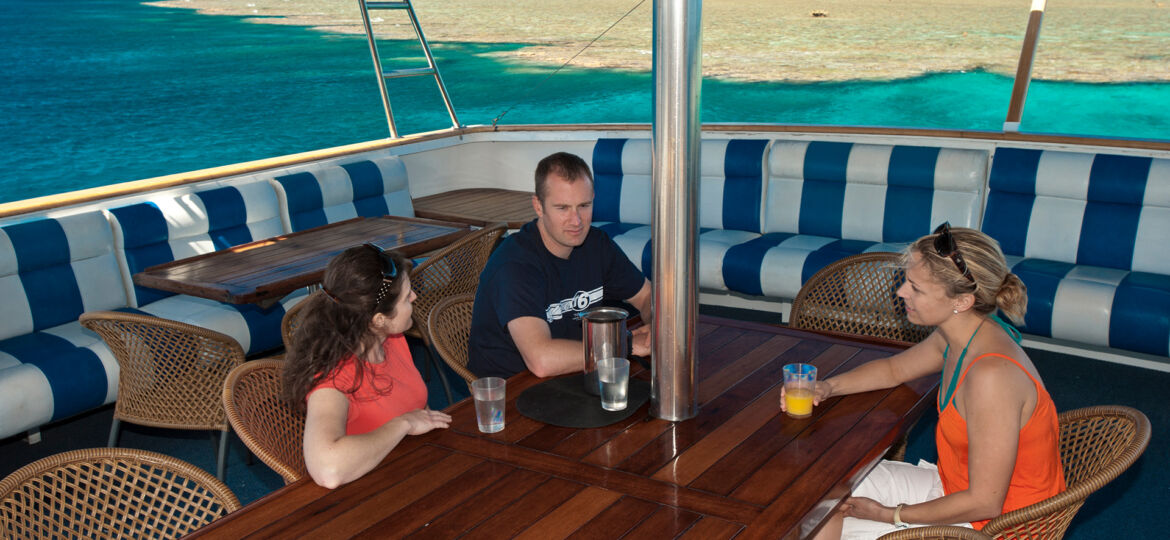
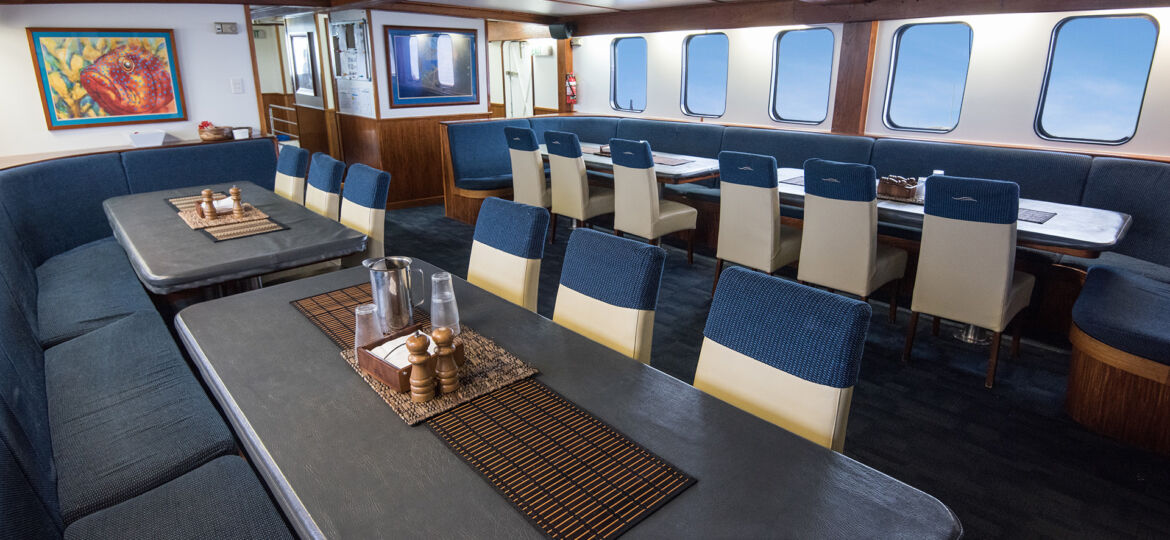
Comfortable, modern Liveaboard designed specifically for diving expeditions.
Safety & Marine Park Compliance
Full Marine Park compliance and exceptional safety standards on every expedition.